Lygia Clark
Lygia Clark is one of the leading names in geometric art in Brazil, having participated in the Frente group and the Neoconcreto group, within which she was a key figure alongside Lygia Pape and Hélio Oiticica. One of her contributions lies in the development of the idea of an organic line, constructed not through a drawn stroke, but through a real cut. In other words, instead of painting on a surface, the artist acts upon its materiality. It is no longer about painting a geometric shape, but about its realization through an action that transcends the pictorial boundaries.
Other boundaries are deconstructed when Clark advances with the process known as the breaking of the frame, one of the foundations of Neoconcretism. This element that defines the boundary between the real and the pictorial, which protects the painting and allows it to communicate smoothly with the outside world, is discarded. The desire emerges to create the artwork directly in space, incorporating it as a component. When this happens, the boundaries between painting and sculpture also blur, giving rise to a new and complex category termed by Ferreira Gullar as the "non-object." As the critic states, "contemporary painting and sculpture converge into a common point, increasingly distancing themselves from their origins. They become special objects—non-objects—for which the terms sculpture and painting may no longer be very relevant."
Increasingly, Clark's work becomes dependent on the bodily participation of the audience, as the artist, instead of being the author, is understood as a proposer of actions and situations to be experienced by others. Later, her production connects with therapeutic methods, solidifying the breakdown of barriers between art and life.
In the last decade, Clark's work has been the subject of retrospectives at international institutions such as MoMA and the Guggenheim, in a process of growing recognition of her career, which aligns with the inclusion of her works in major collections, including: Tate; MoMA, Museo Nacional Centro de Arte Reina Sofia, Centre Pompidou, and the Patricia Phelps de Cisneros Collection. Her works are part of the collections of major Brazilian institutions, including the Pinacoteca of São Paulo, the Museum of Modern Art of São Paulo, the Museum of Modern Art of Rio de Janeiro, and the Inhotim Institute, among others.
Works
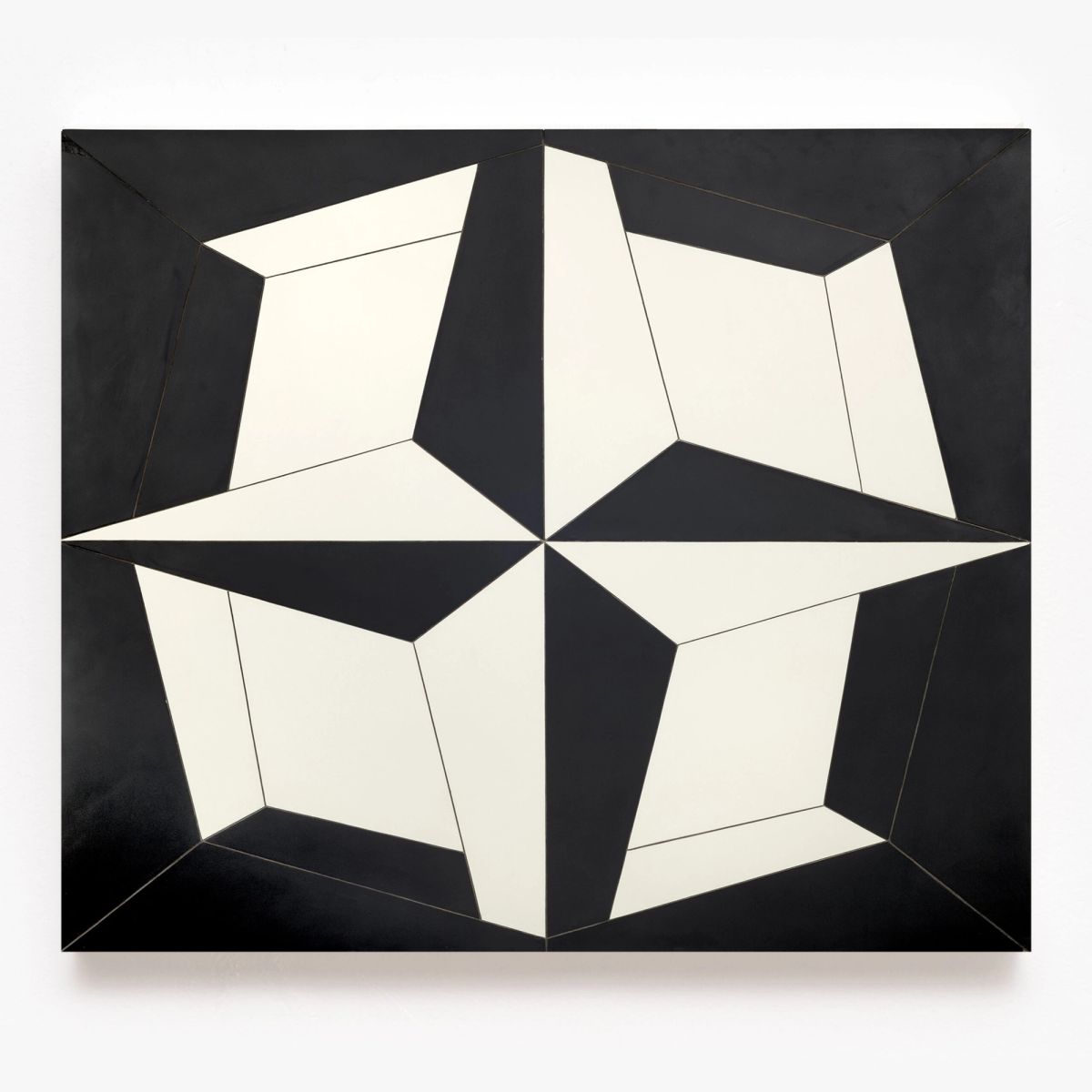
Lygia Clark
Superfície modulada nº 55, 1955
industrial paint on wood
33 7/8 x 39 3/8 x 1 1/8 in
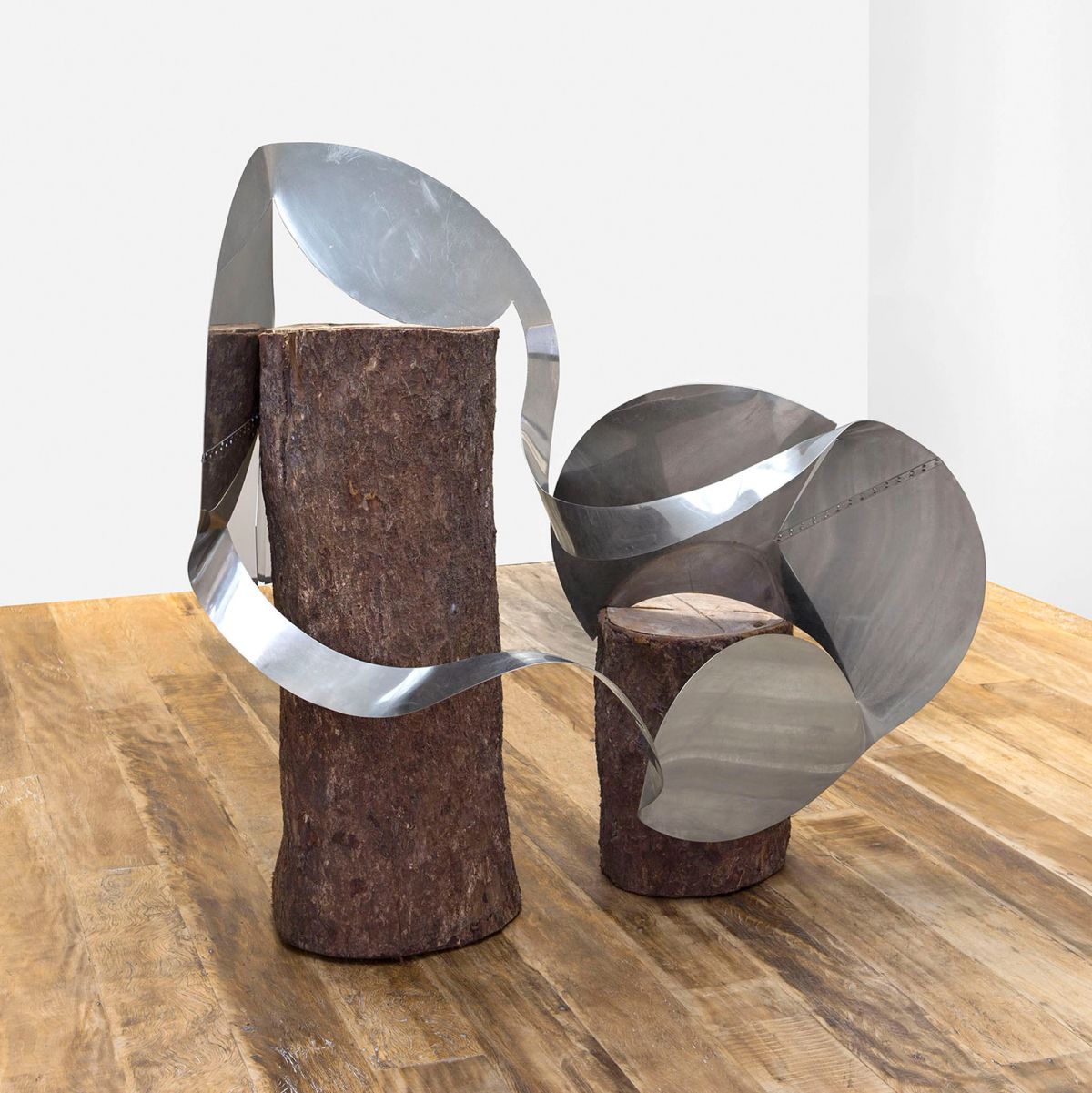
Lygia Clark
Trepante, 1965
aluminum and wood
variable dimensions
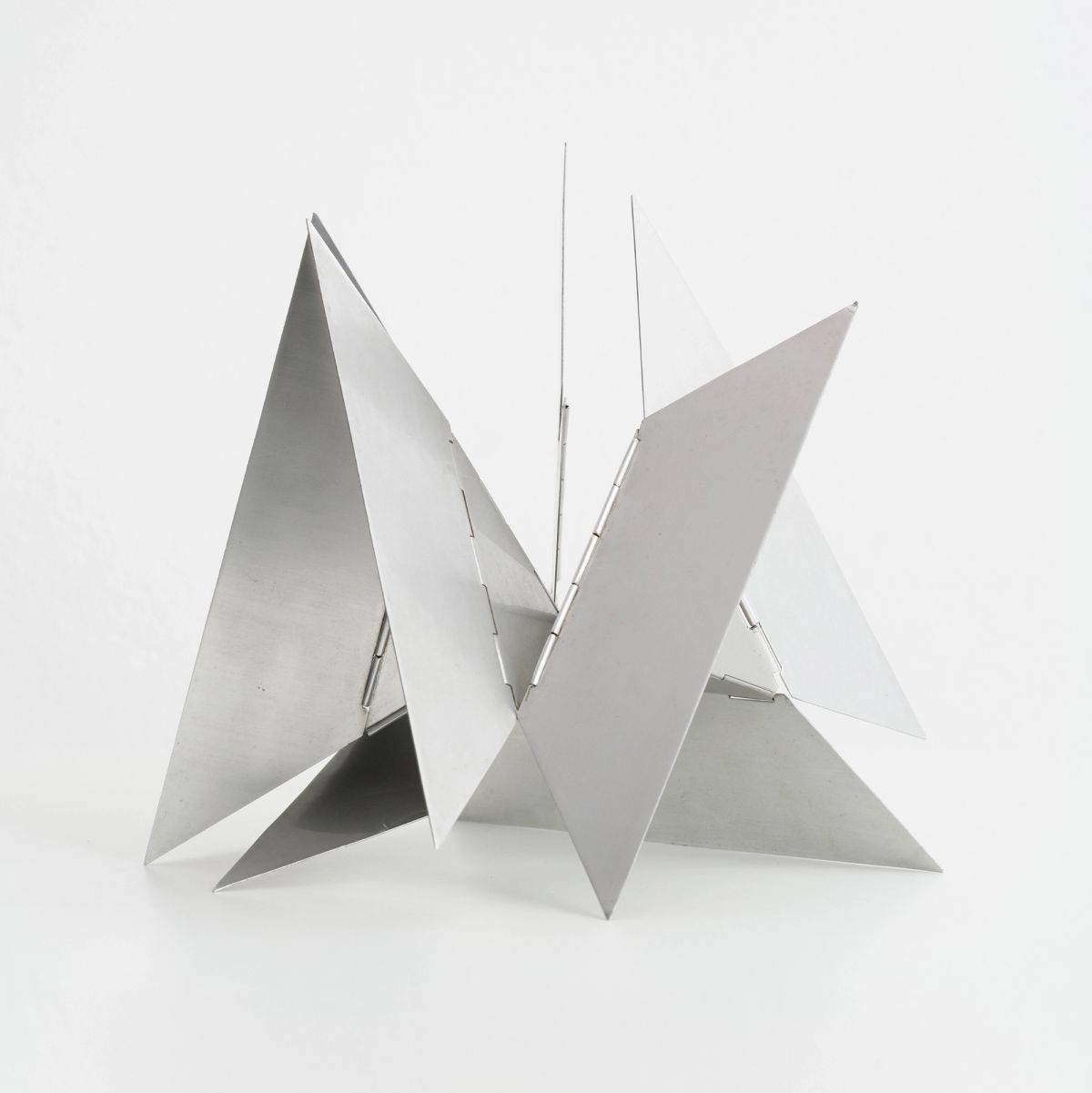
Lygia Clark
Bicho desfolhado, 1960
aluminum
10 5/8 x 12 1/4 in (variable dimensions)
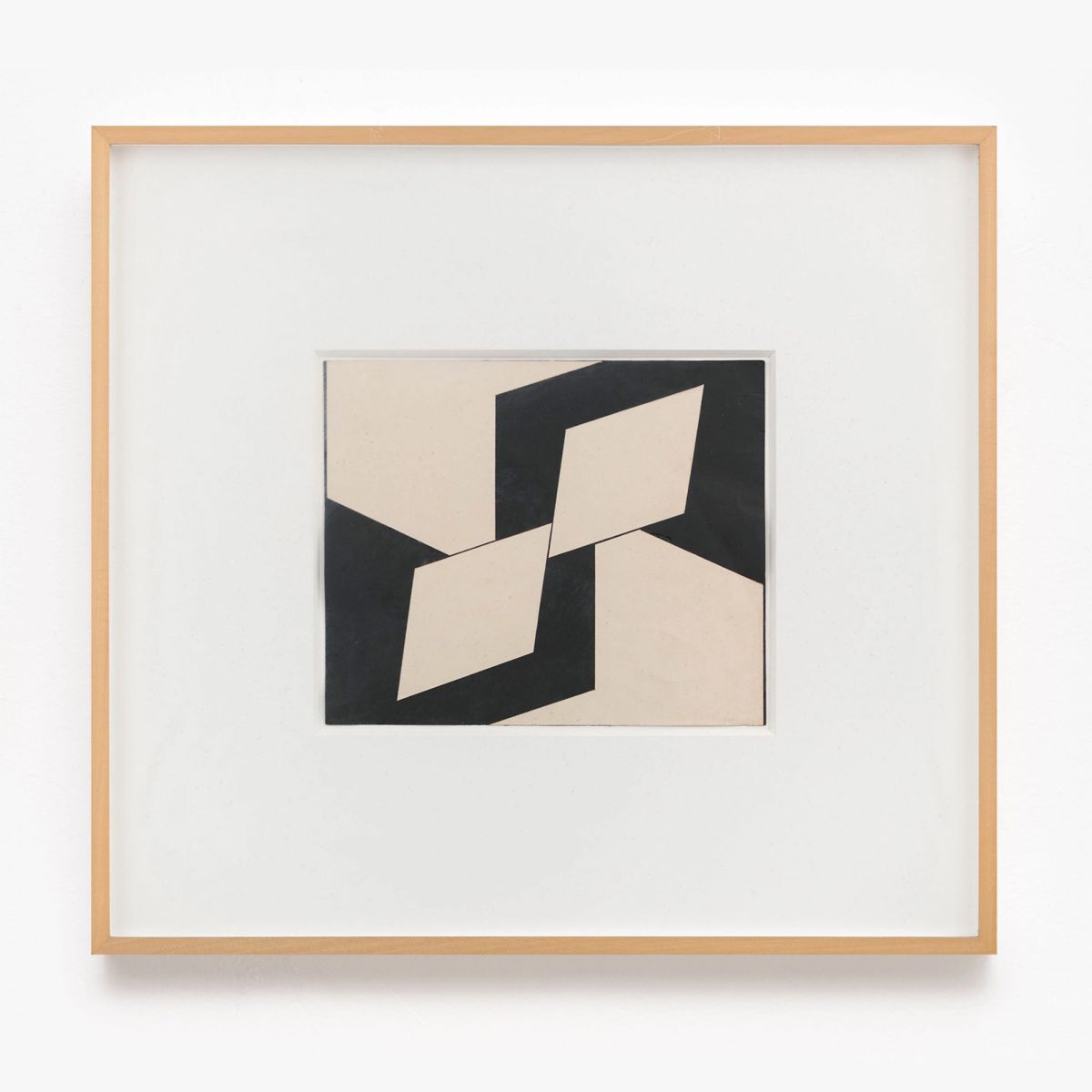
Lygia Clark
Planos em superfície modulada, 1957
collage on paperboard
9 7/8 x 11 3/4 in
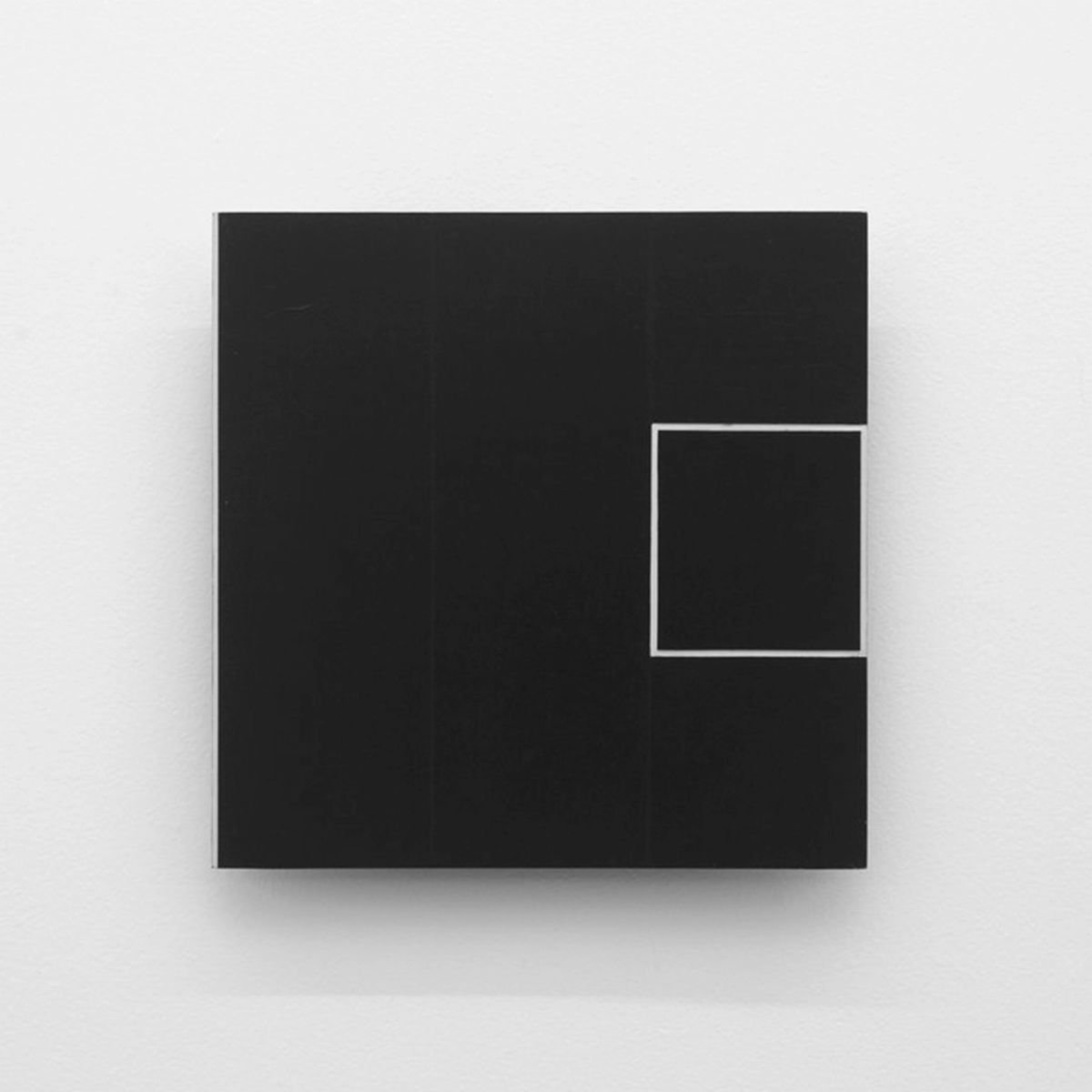
Lygia Clark
Espaço modulado, 1958
automotive paint on wood
11 3/4 x 11 3/4 in
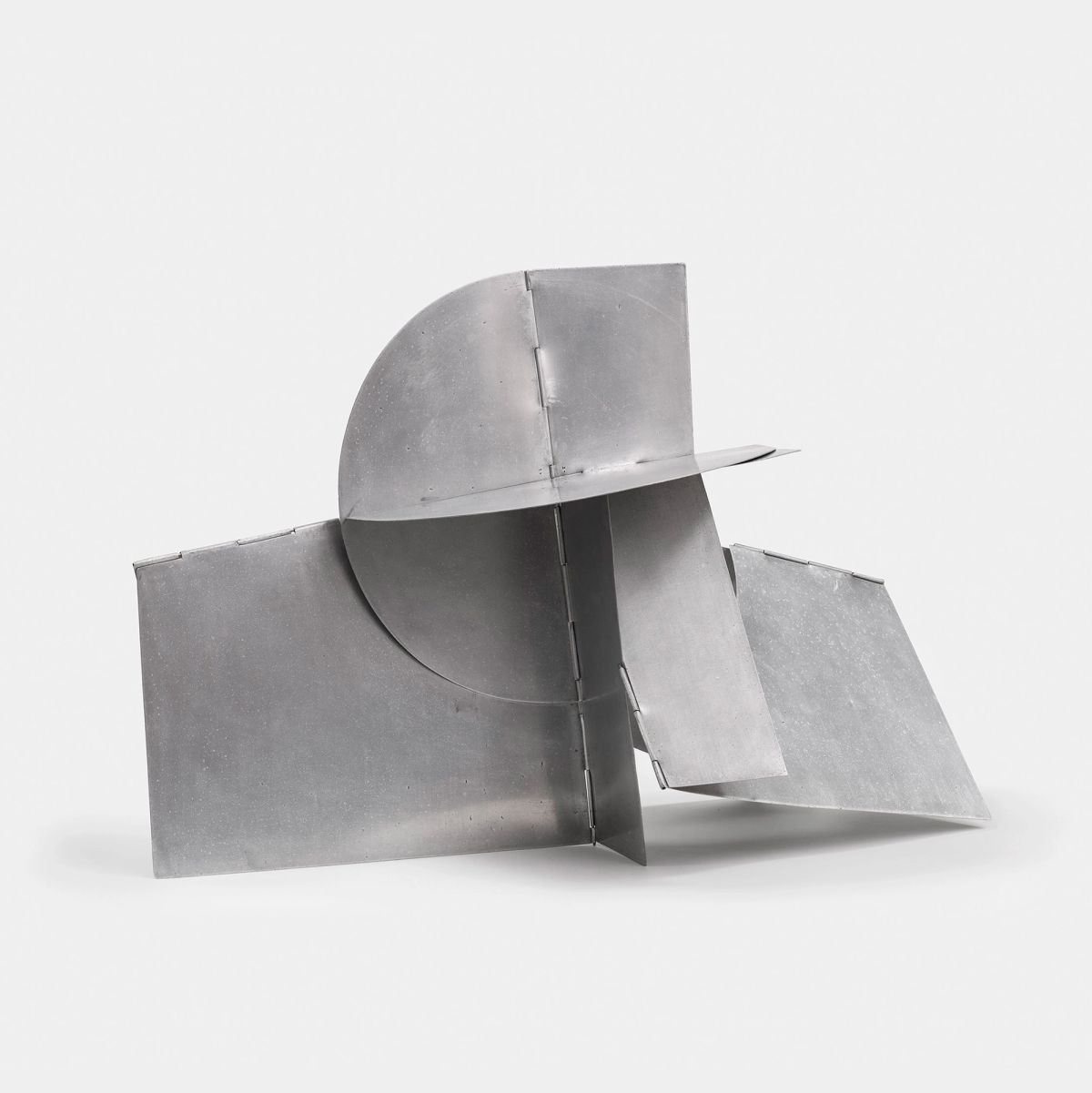
Lygia Clark
Bicho Carruagem fantástica, 1960
aluminum
30 3/4 x 18 7/8 x 14 5/8 in (variable dimensions)
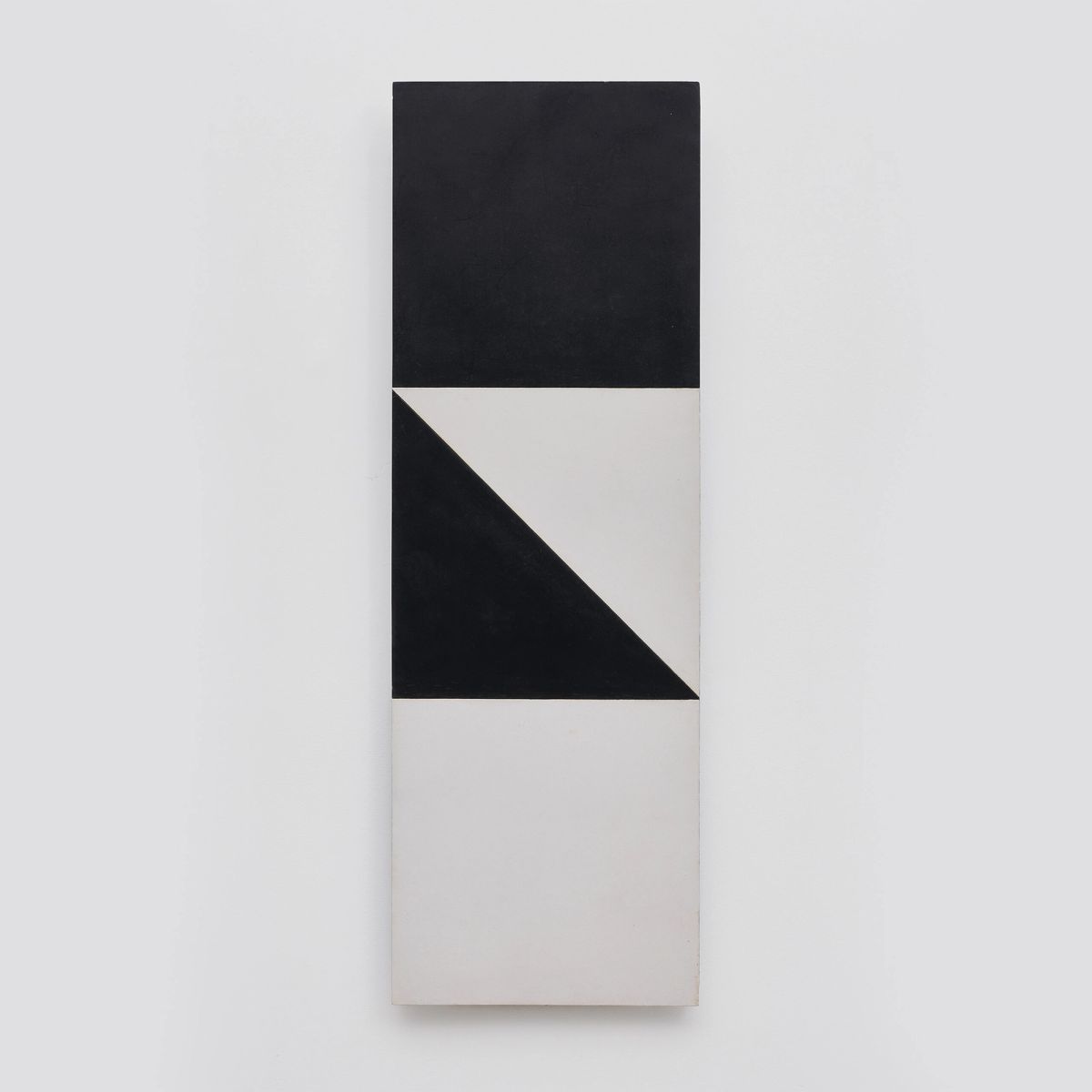
Lygia Clark
Espaço modulado nº 10, 1958
industrial paint on wood
35 3/8 x 11 3/4 x 1 1/8 in
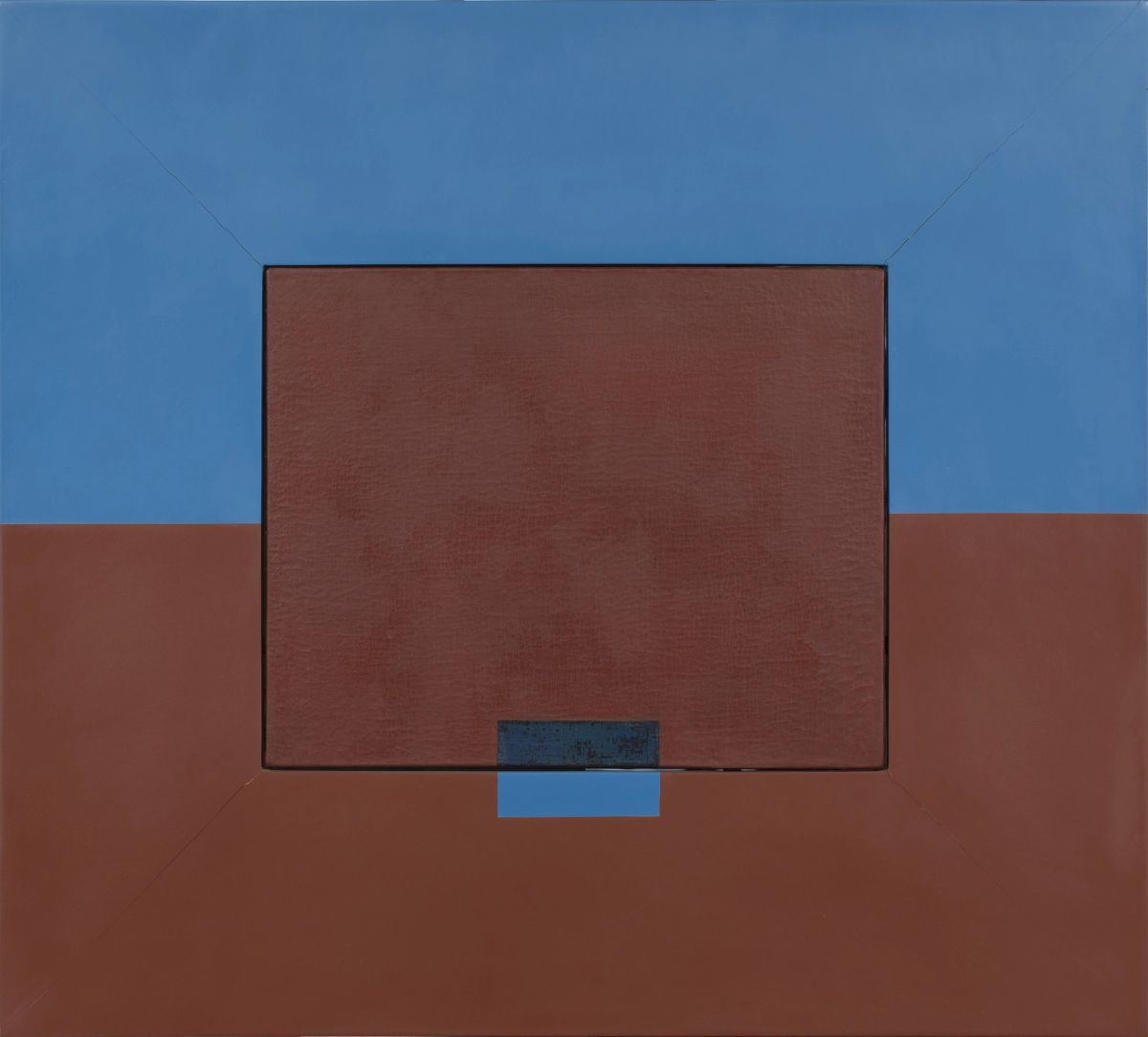
Lygia Clark
Breaking the Frame, version 01, 1954
oil and oleoresin on canvas and wood
84 x 93 cm [33 1/8 x 36 5/8 in]
(4302)