Sergio Camargo
In the early stages of his career in the 1960s, Sergio Camargo established a critical and thoughtful dialogue with the constructive ideas of the previous decade. In comparison to the principles of concretism, the Geometrism in Sergio Camargo's work appears more empirical and intuitive; with an intimate air that contrasts with concrete rationalism. Gradually, the artist abandoned all elements that might distract or obscure the central issue of his sculptures: form. His work focuses on concise and continuous processes of exploring and combining elements such as cylinders, cubes, and rectangles. From the 1970s onwards, the artist almost exclusively used Carrara marble in his creations. White predominates, leaving room for the movement, balance, rhythm, and tension in his sculptures and reliefs to stand out.
Sergio Camargo exhibited a version of his sculpture Homenagem a Brancusi in relief in a special room at the 33rd Venice Biennale. He created several works for public spaces, including: the Structural Wall for the Ministry of Foreign Affairs Palace in Brasília; Tríptico for the Banco do Brasil in New York; the Homenagem a Brancusi column for the Faculty of Medicine in Bordeaux, France; sculpture in Praça da Sé, São Paulo; and a monument for Catacumba Park in Rio de Janeiro.
Works
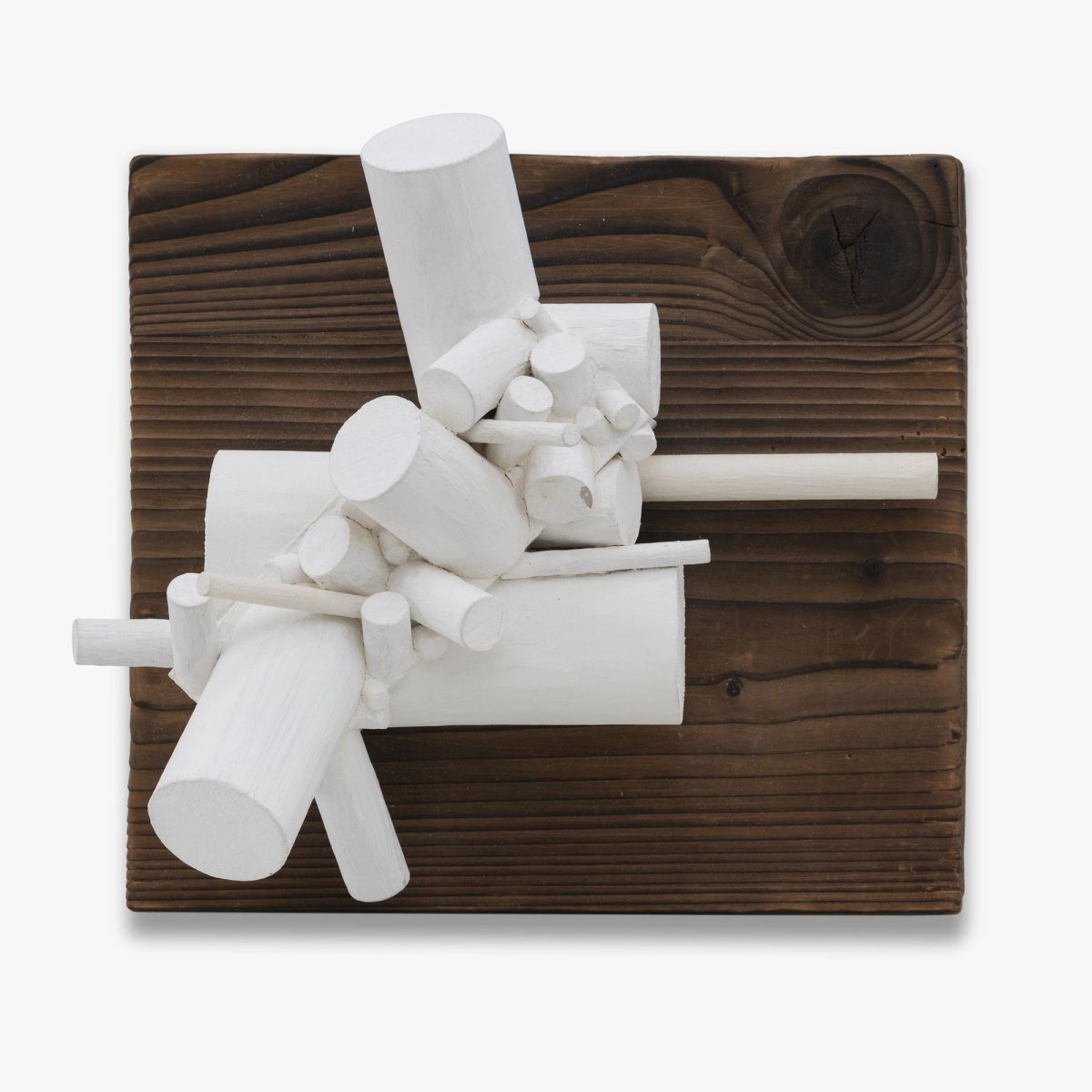
Sergio Camargo
Relevo #120, 1966
polychrome wood
10 5/8 x 12 1/4 x 8 1/4 in
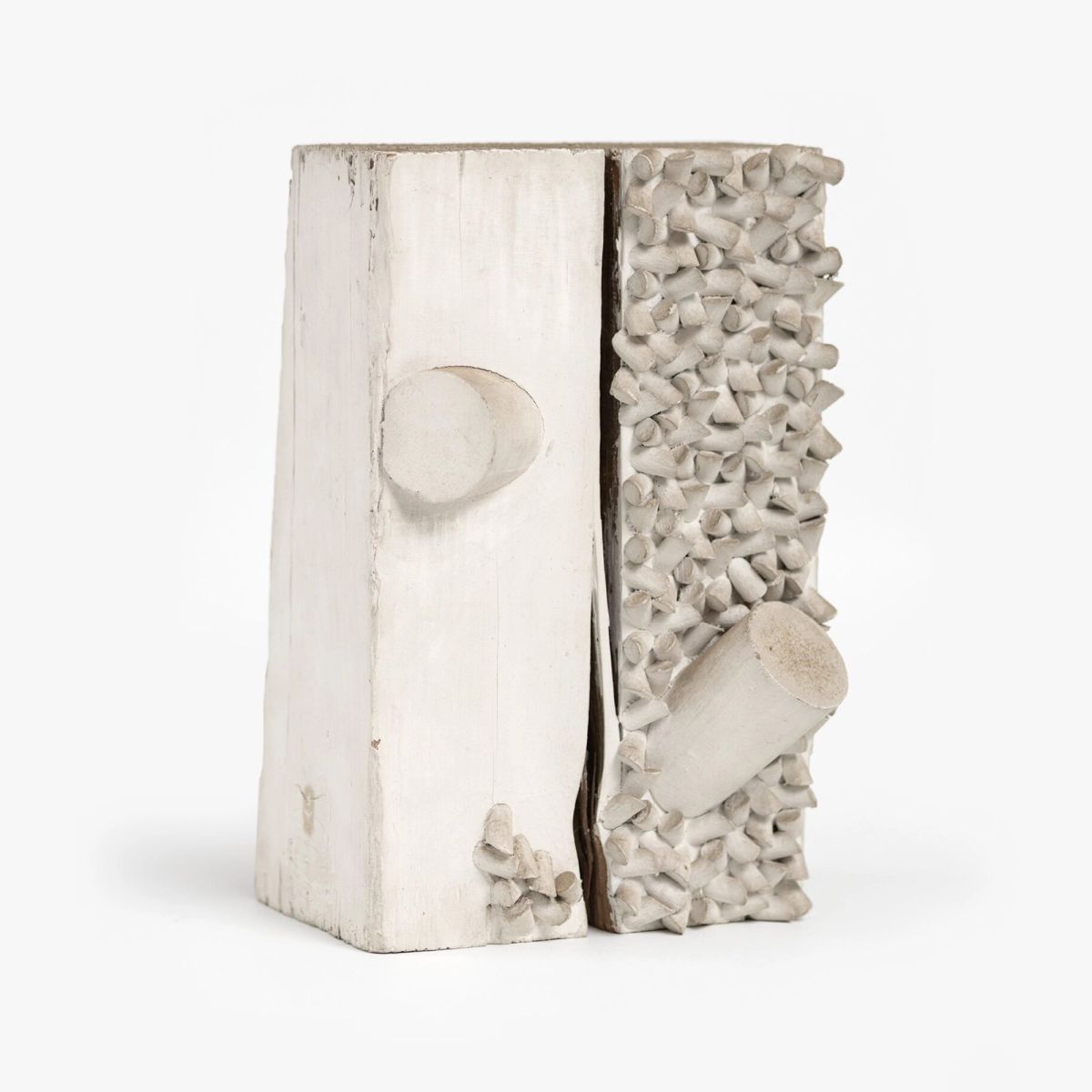
Sergio Camargo
Orée n°I, 1963
polychrome wood
9 5/8 x 6 1/4 x 5 1/8 in
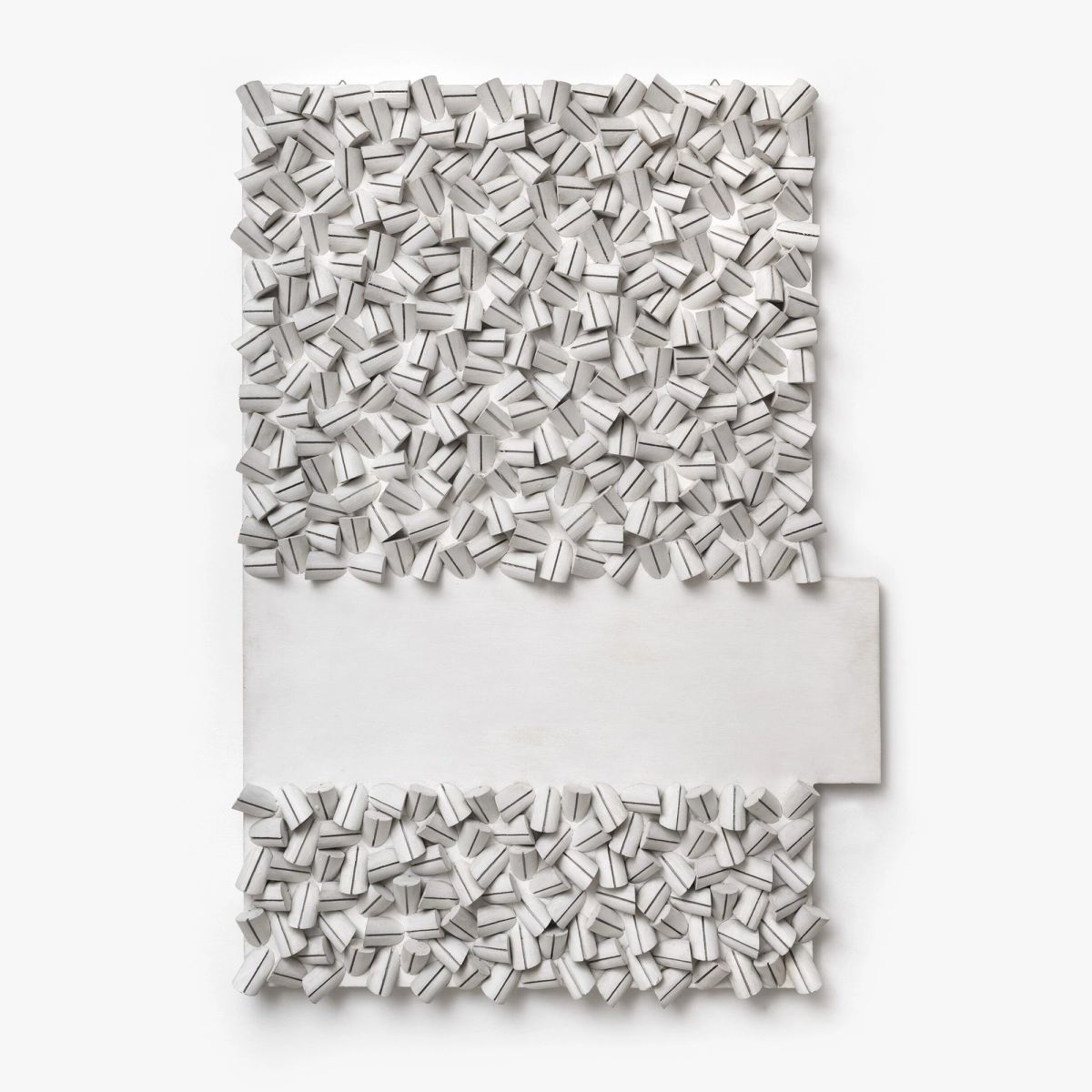
Sergio Camargo
Relevo nº 172, 1967
polychrome wood
36 5/8 x 26 x 3 1/8 in
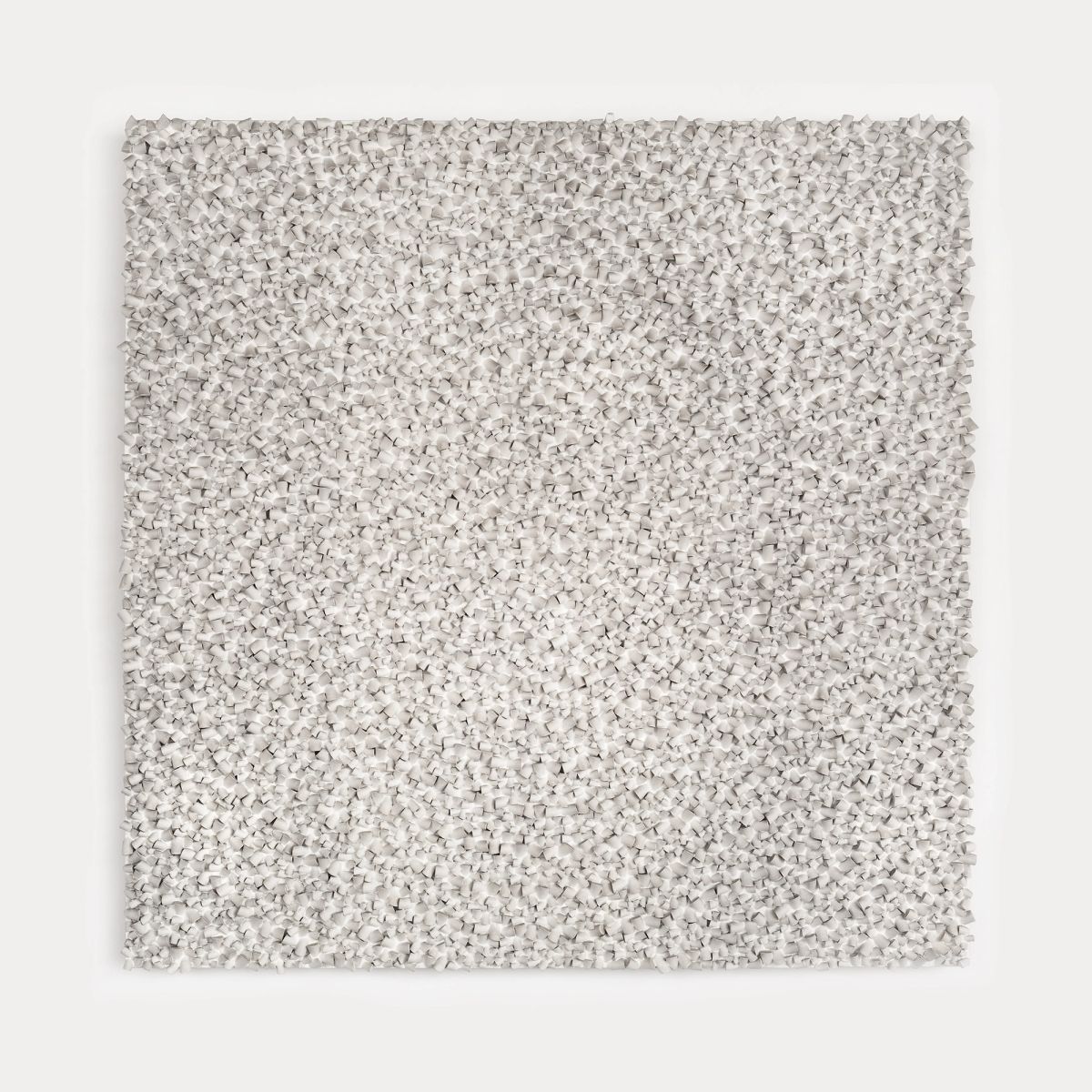
Sergio Camargo
Composição nº 364, 1972
polychrome wood
39 3/8 x 39 3/8 x 1 1/8 in
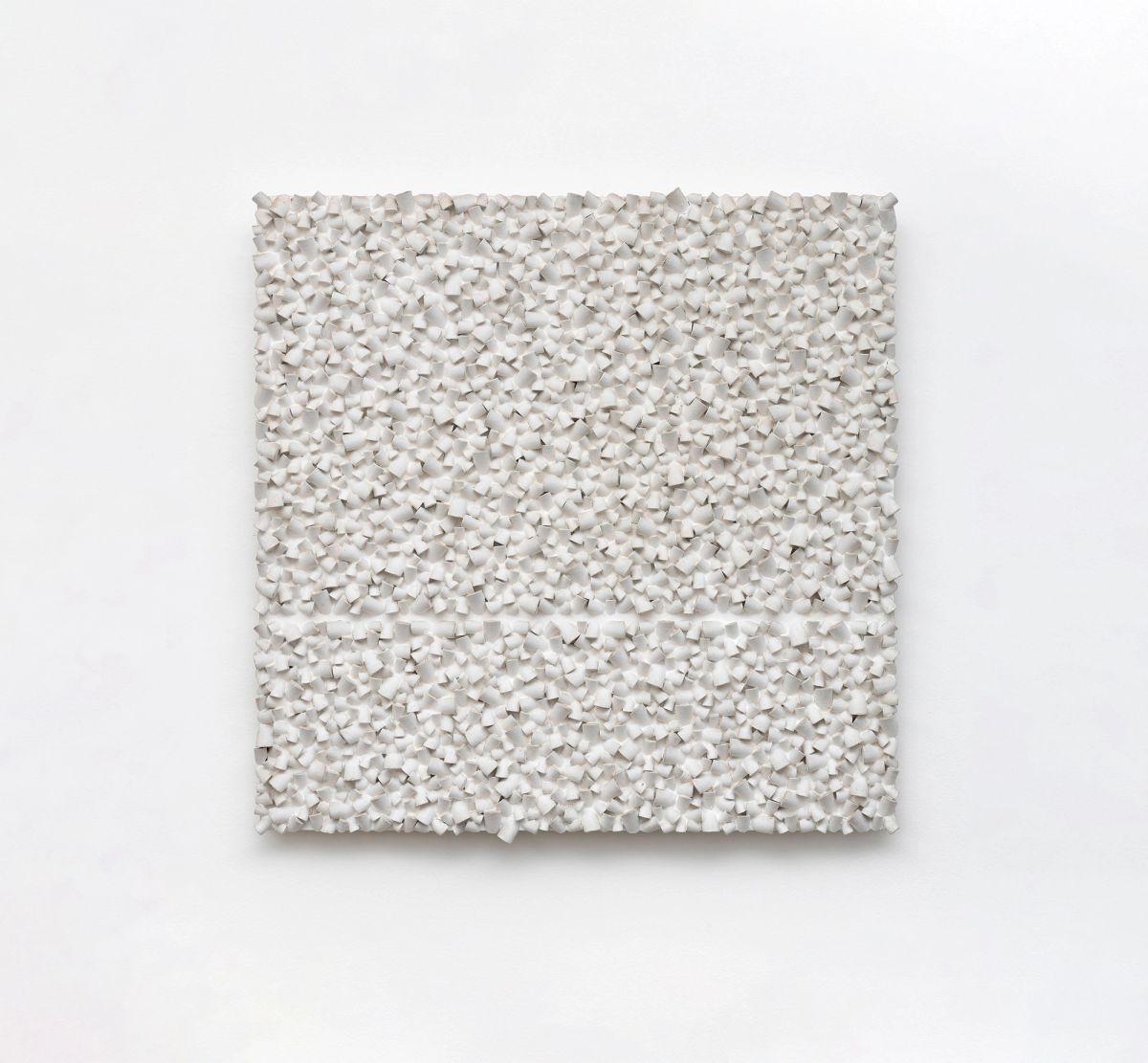
Sergio Camargo
Untitled, 1970s
polychrome wood
19 3/4 x 19 3/4 x 1 1/8 in]