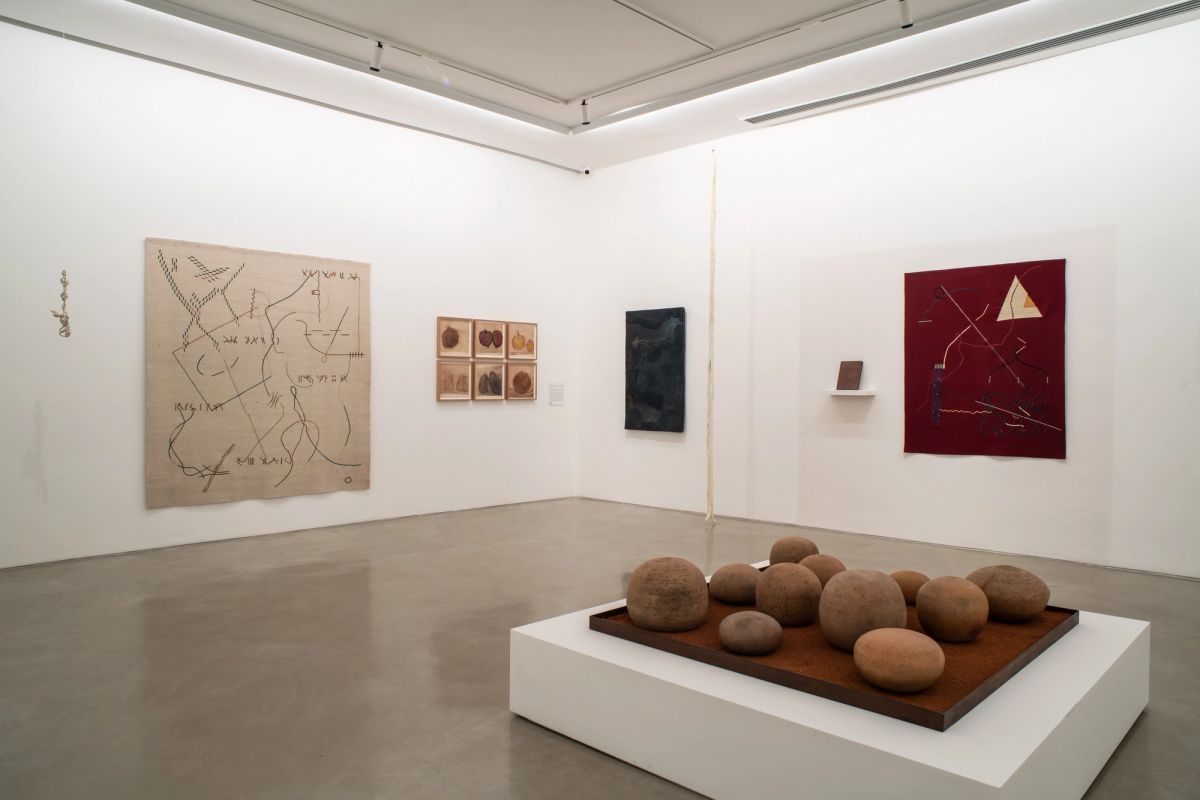
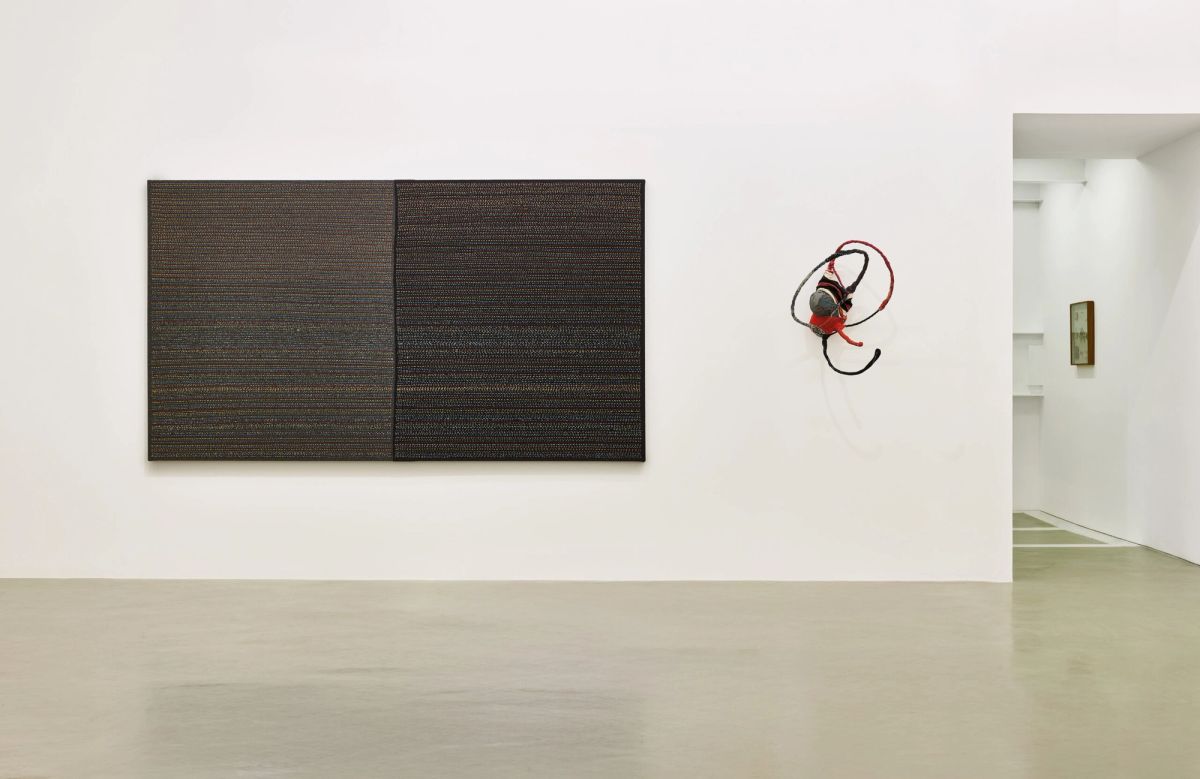
IN SEARCH OF STOLEN TIME
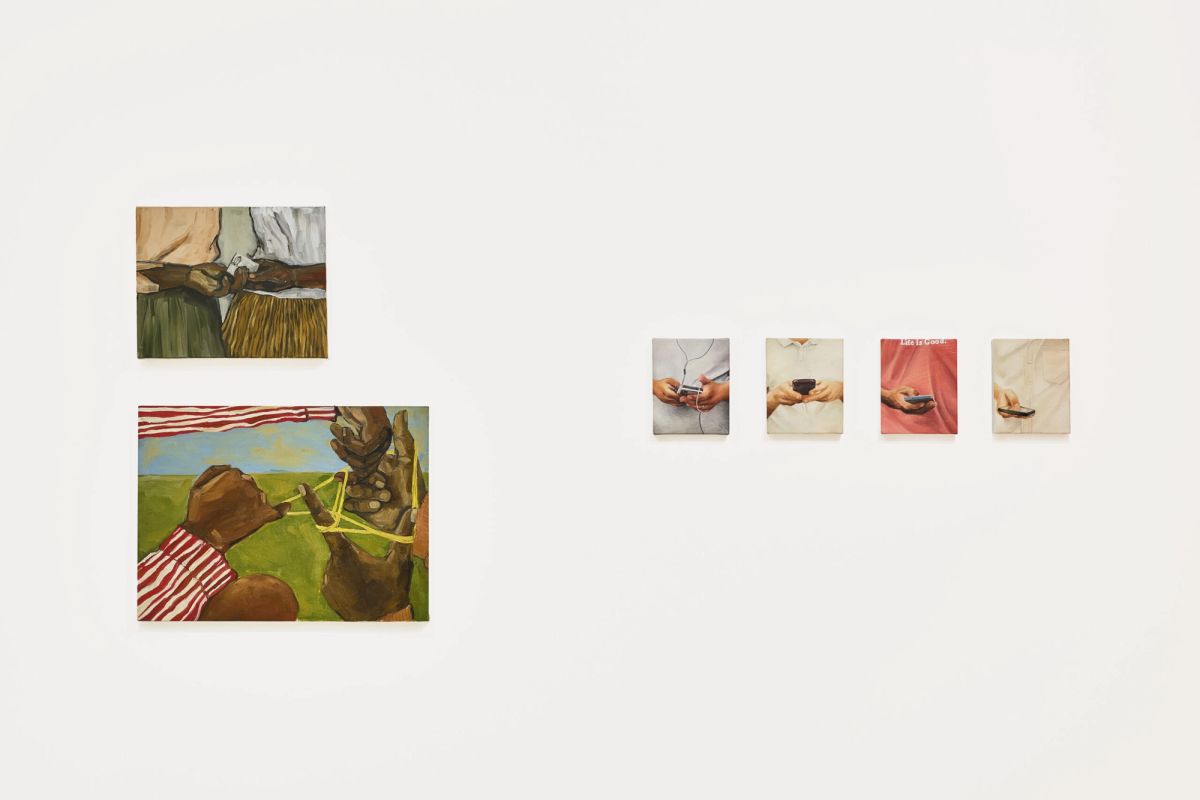
Secularly, the passing of the day used to be gauged by the slow movement of celestial bodies. Nowadays, the interface of the world grows clear or dark at the command of modulations in screen brightness, symbolized in smartphones by a small sun. In a strange paradox, the day is set out in the palms of our hands, while the experience of its unfolding slips through our fingers.
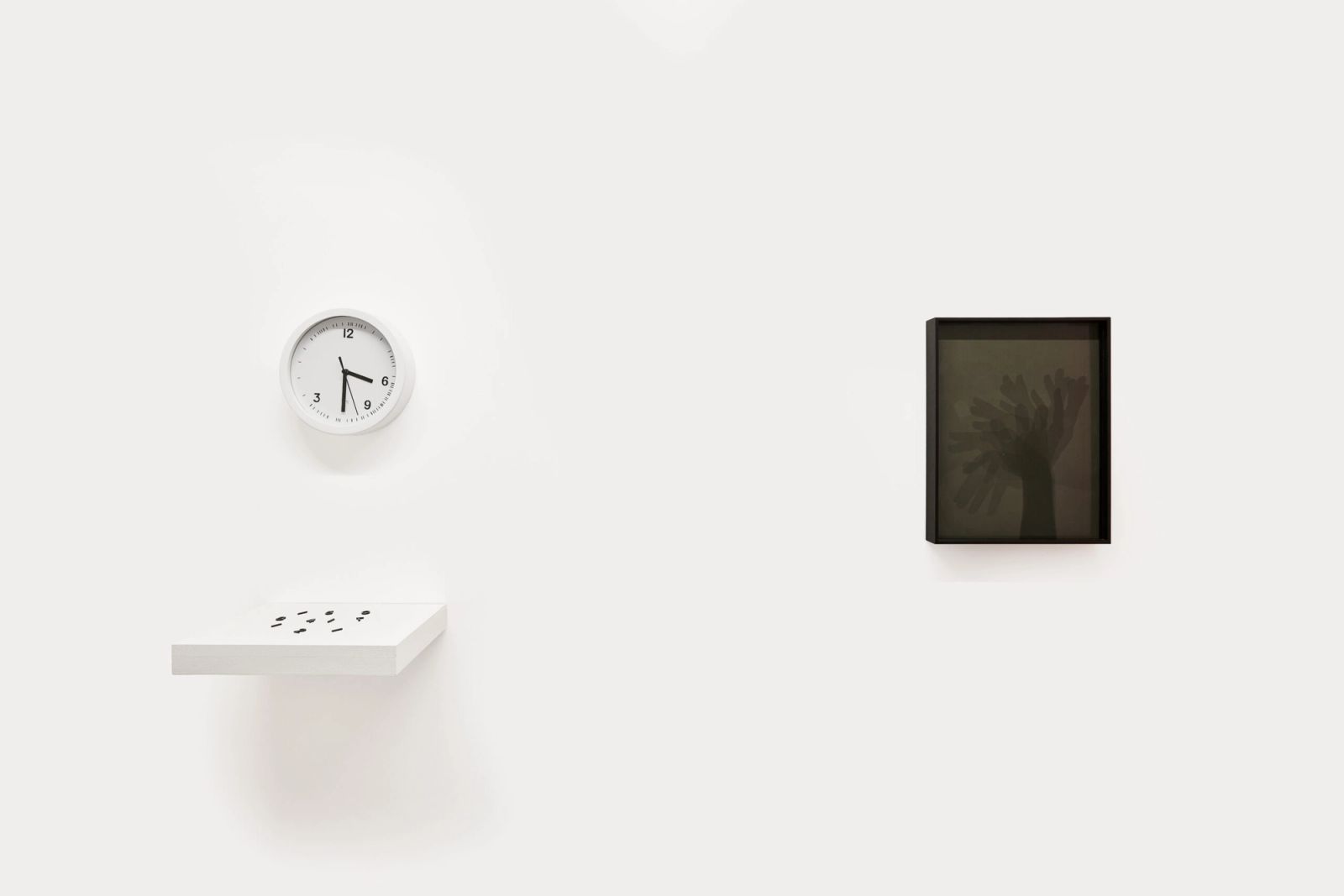
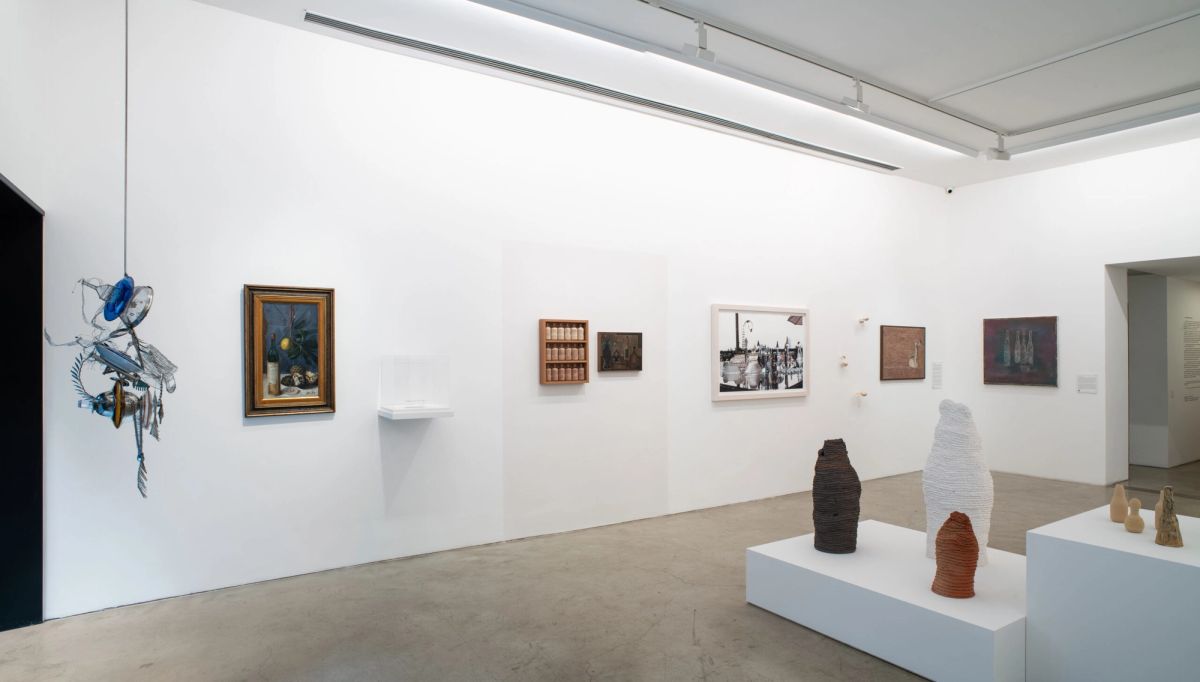
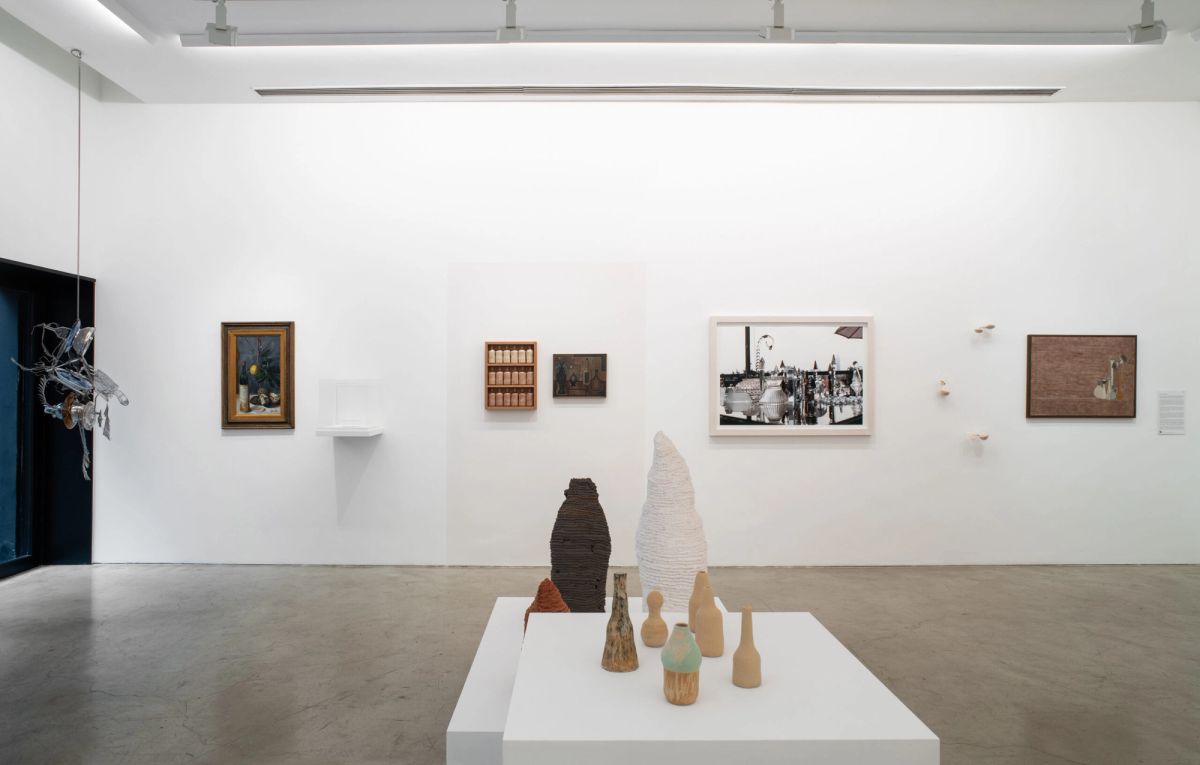
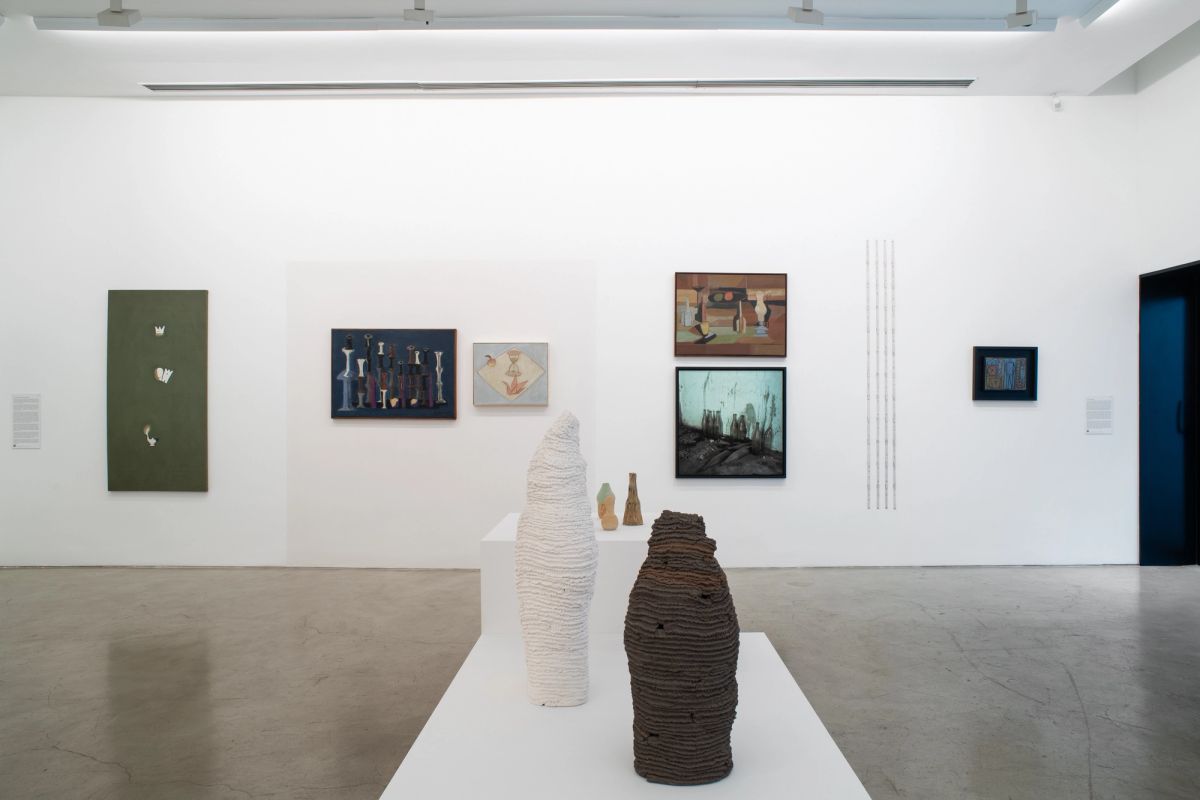
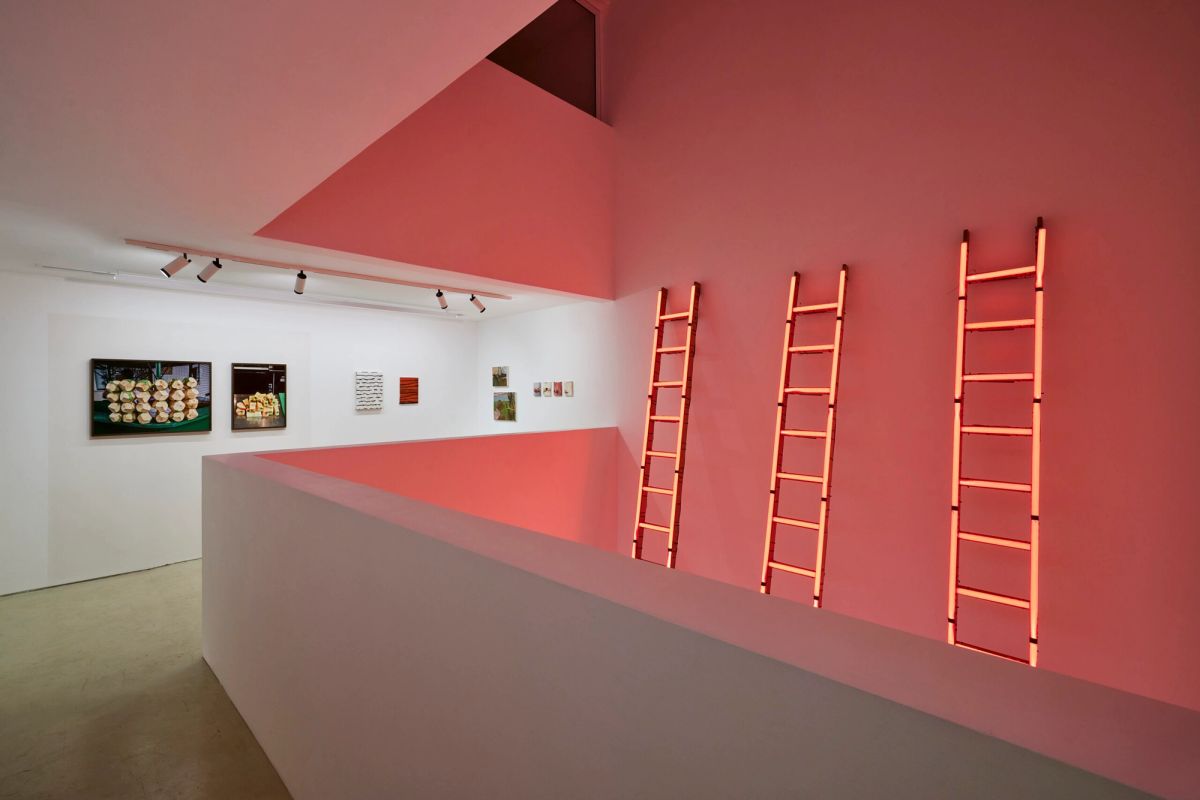
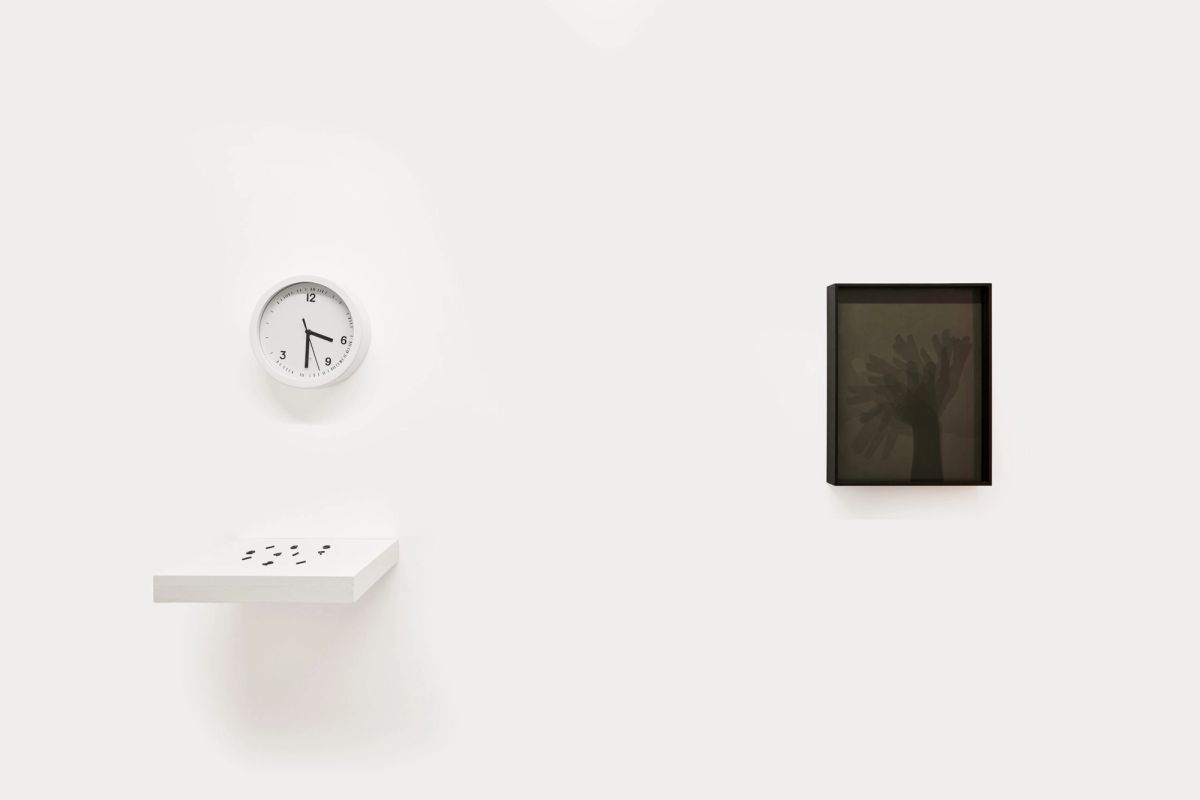
In Search of Stolen Time approaches distinct forms of temporality as opposed to the 24/7 world — where we distance ourselves from sensible reality as we inhabit, for most of our hours, digital zones whose screens, ever flat and clean, simulate a temporality in which the marks of time never come. Or else: one that unravels through uninterrupted dynamics of stimuli, which ultimately hold us hostage in constantly distracted attention.
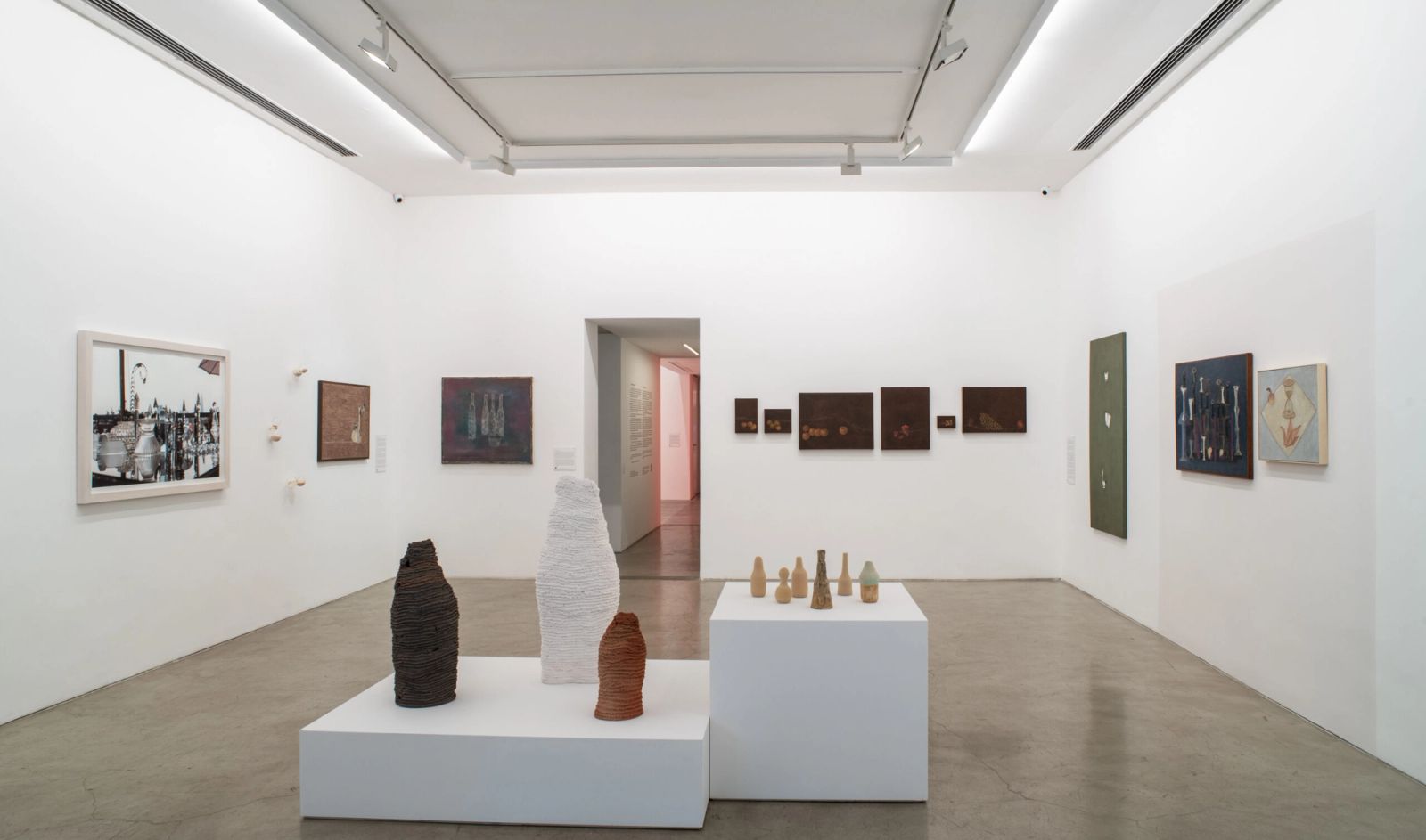
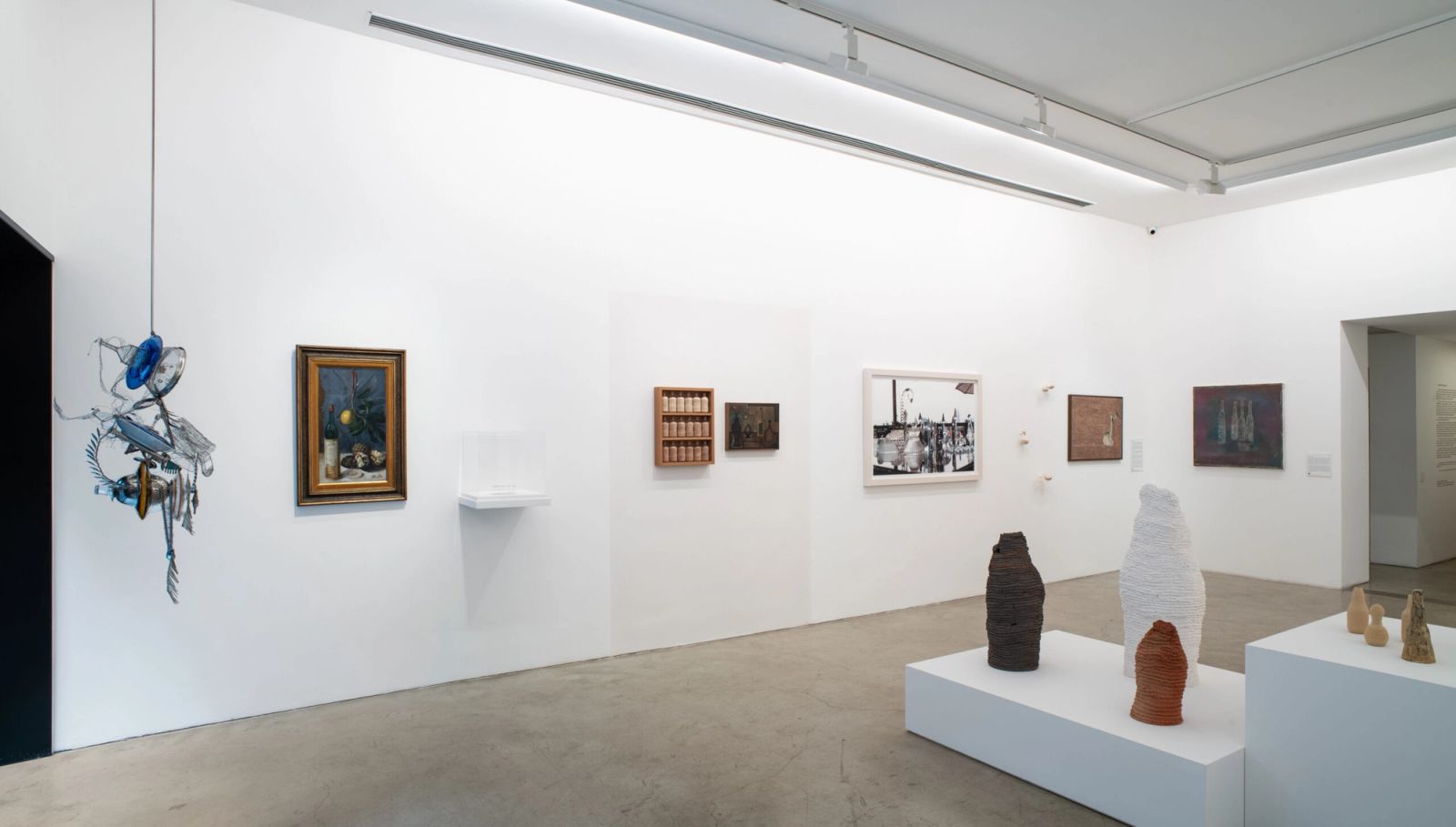
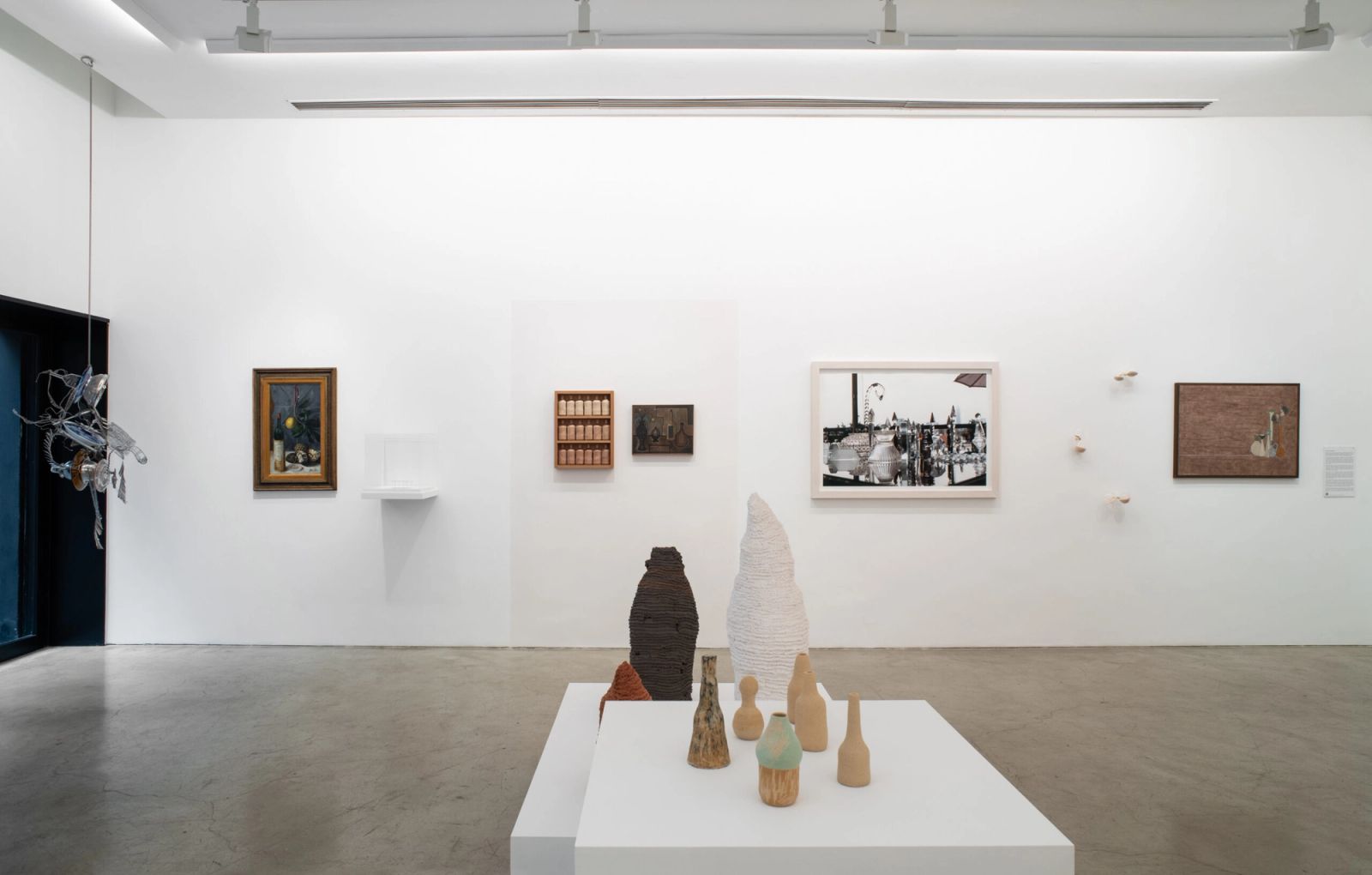
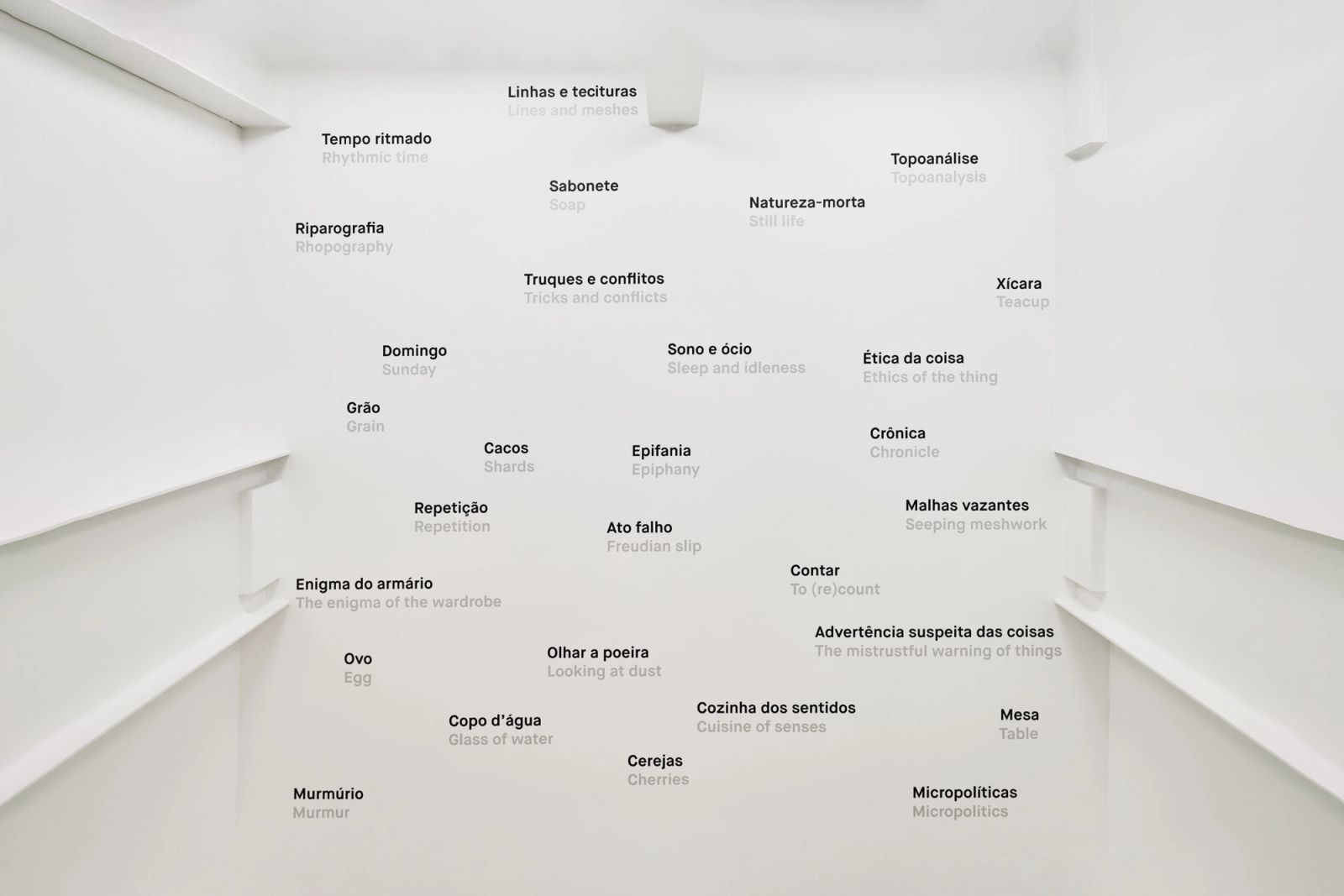
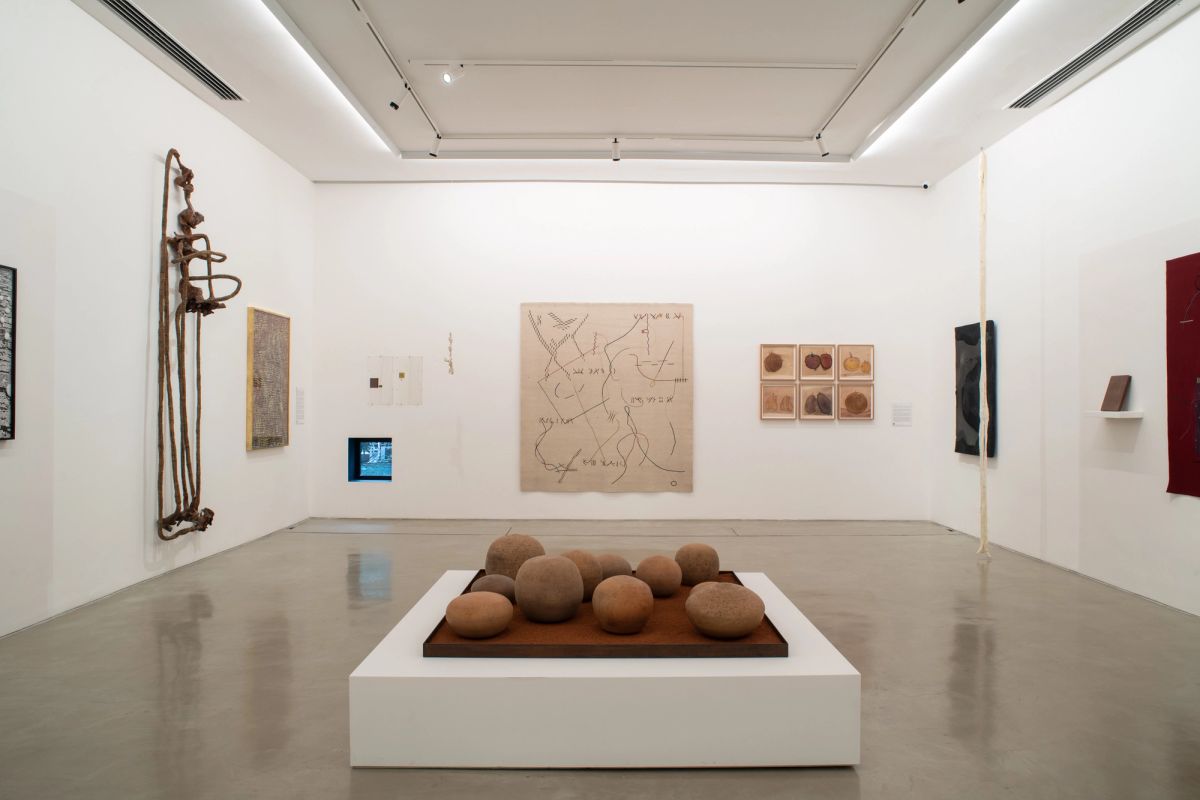
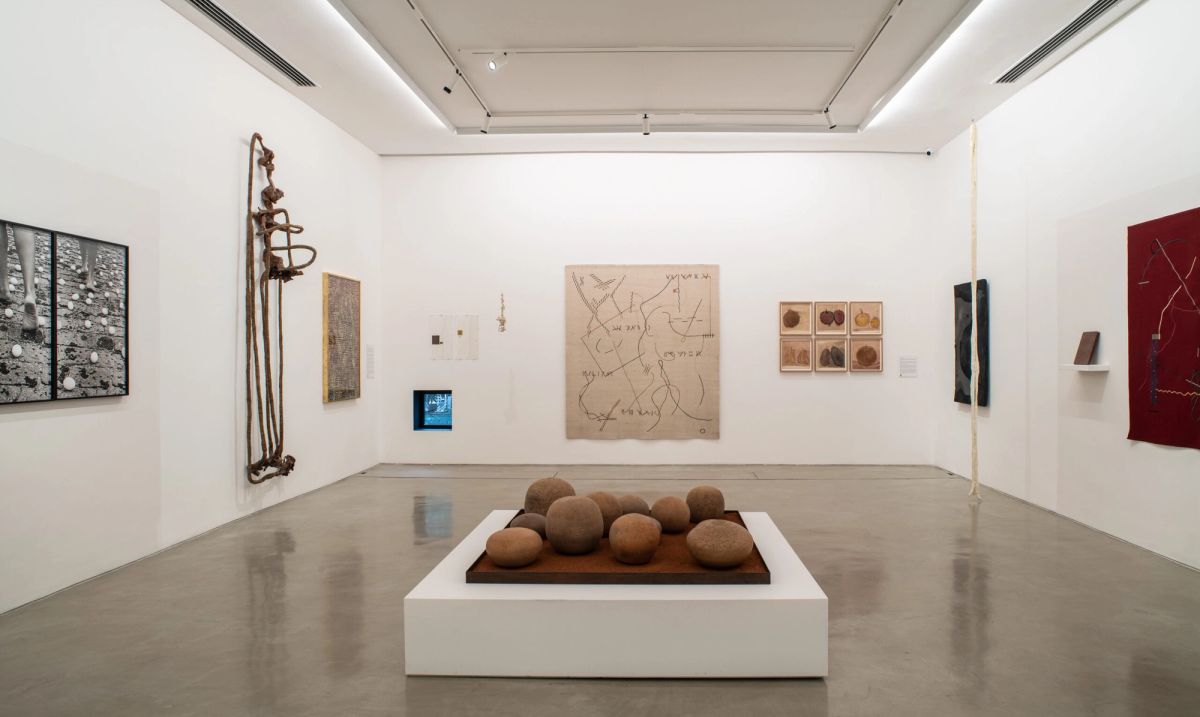
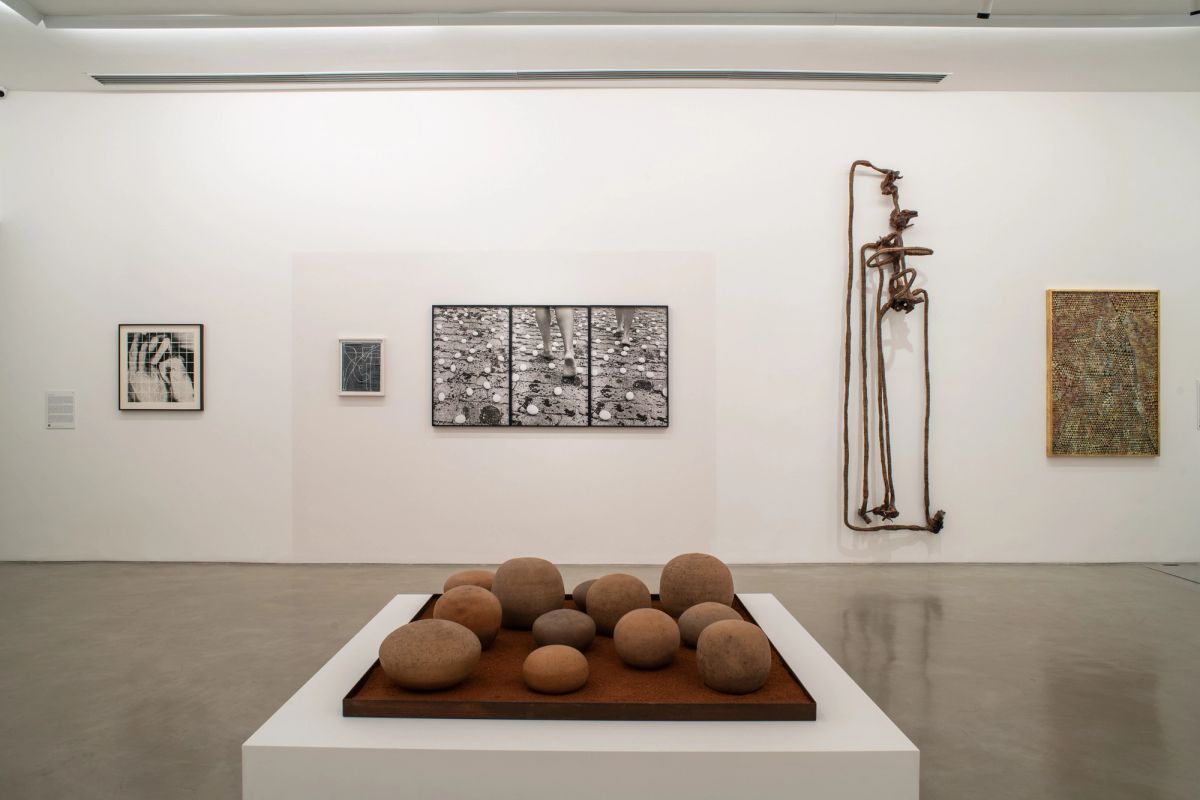
The three clusters that comprise the exhibit are presented as chapters in a sort of pedagogy of time.
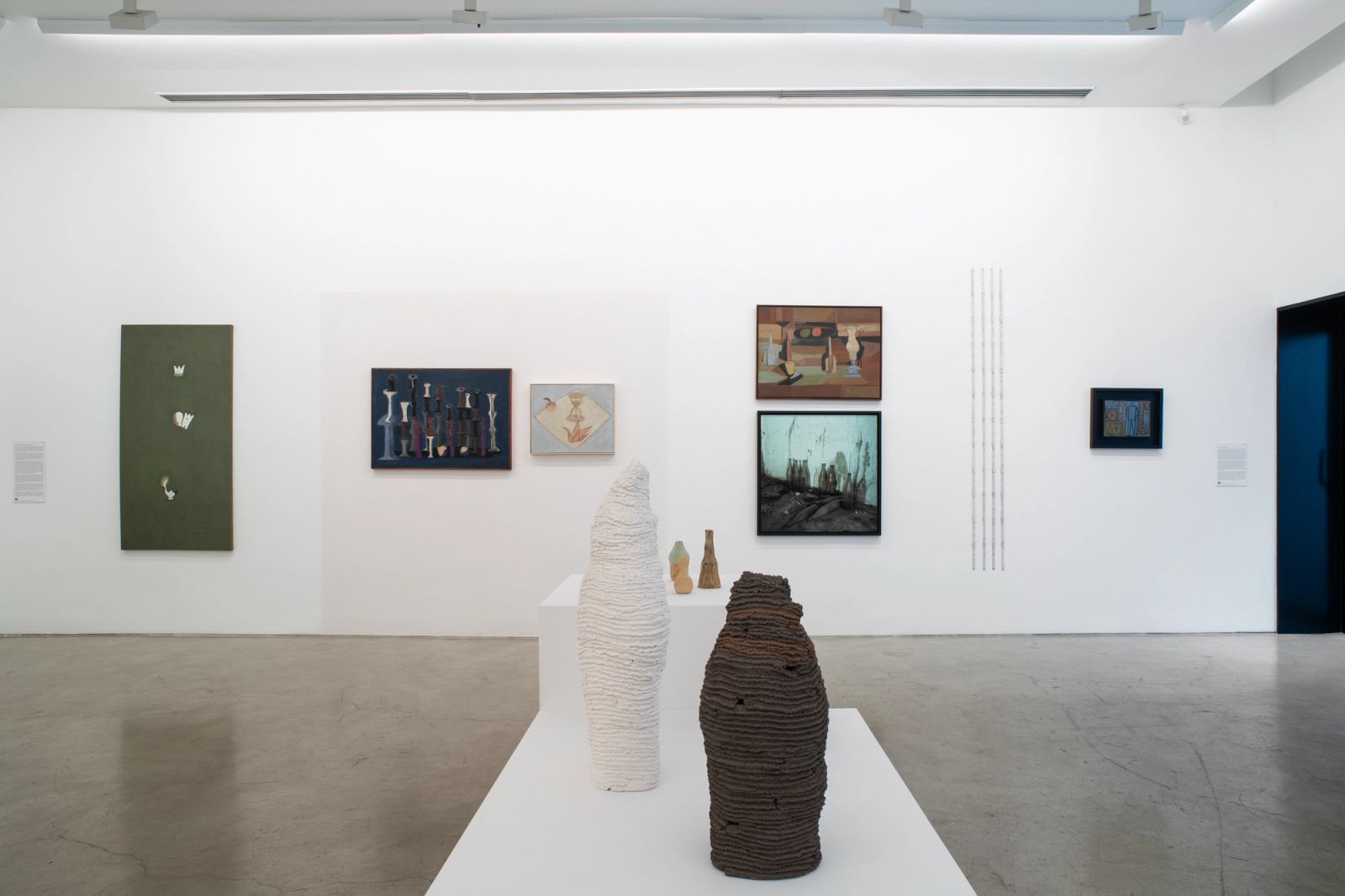
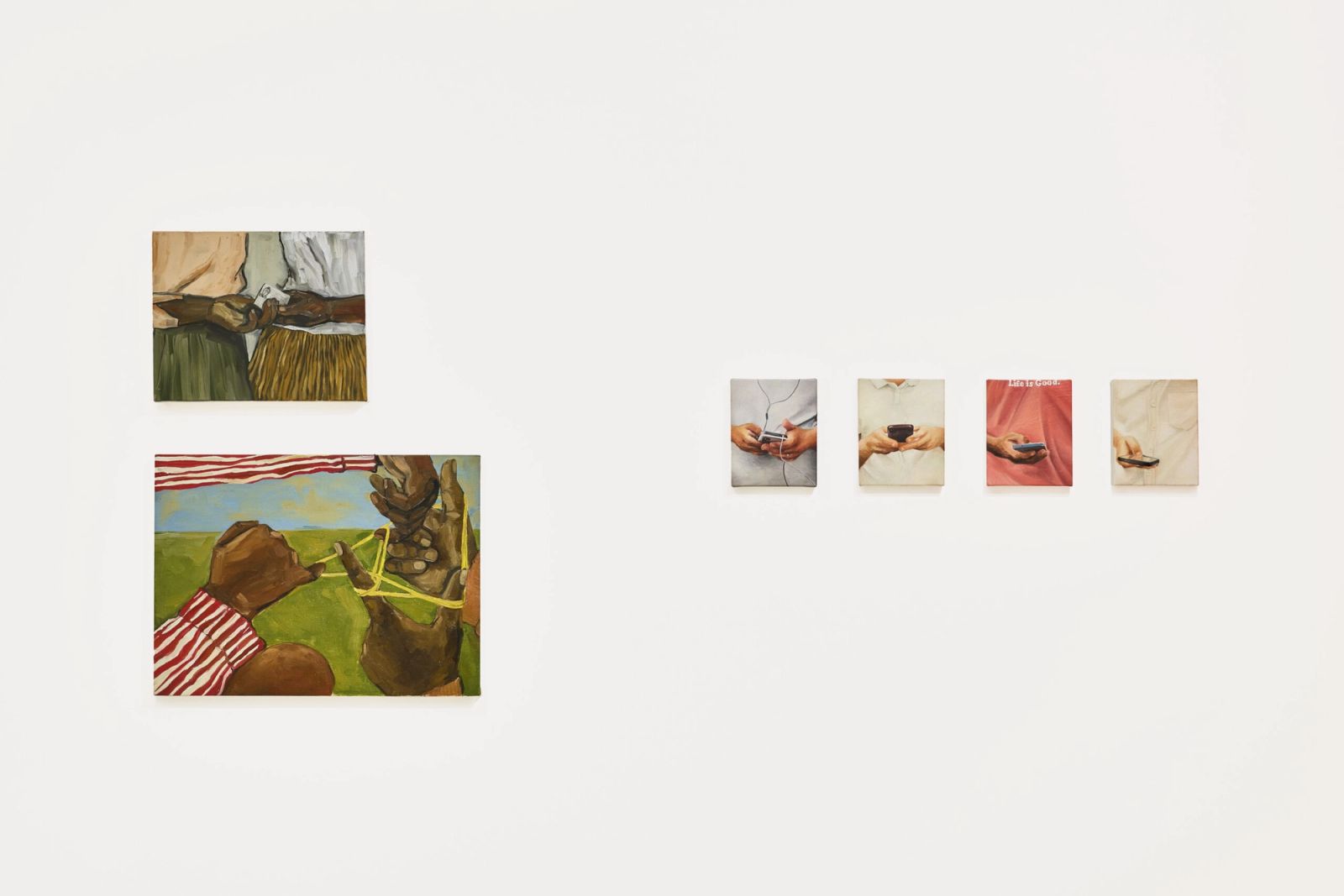
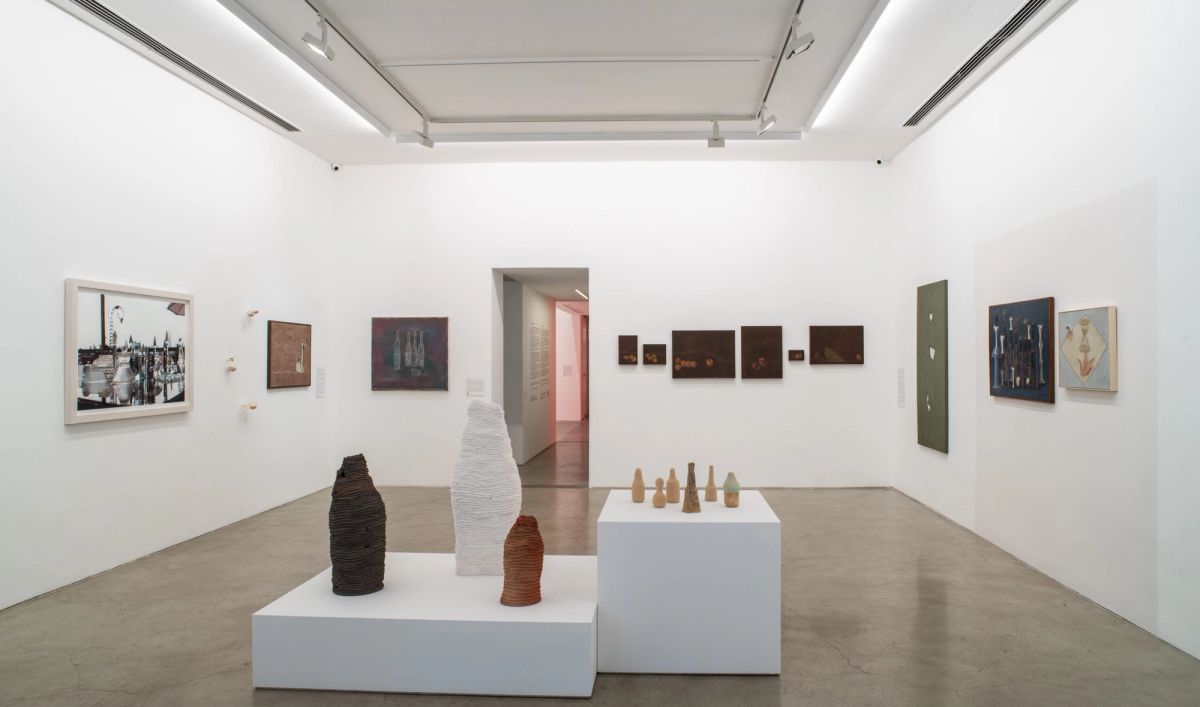
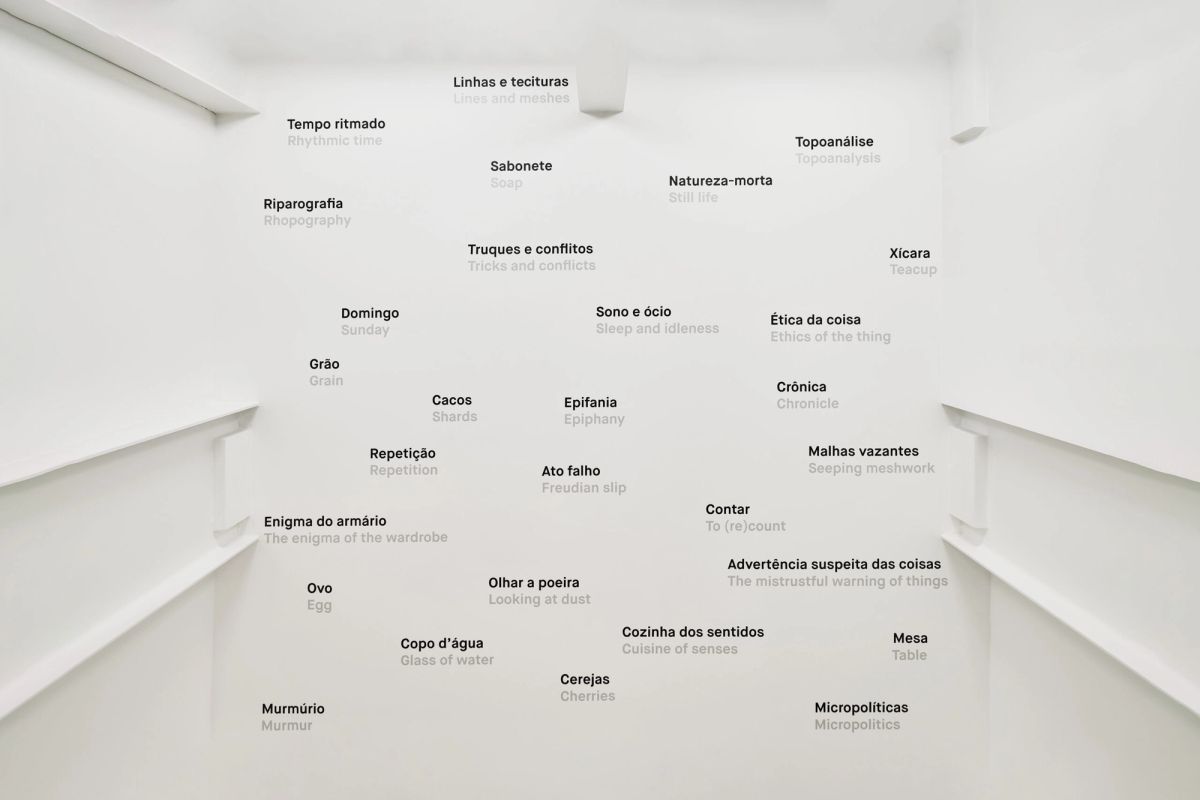
The hero as a bottle proposes a dislocation of the centrality of the heroic imaginary by privileging the ordinary. In The Carrier Bag Theory of Fiction, Ursula K. Le Guin (1929-2018) mentions a glossary created by Virginia Woolf (1882-1941) where the word “hero” is replaced with the term “bottle.” This operation is a criticism of the hero-centric approach to storytelling. As such, attention to the commonplace picks up, from within the fabric of the days, minimal narratives and potential surprises which inhabit the meshes of the commonplace.
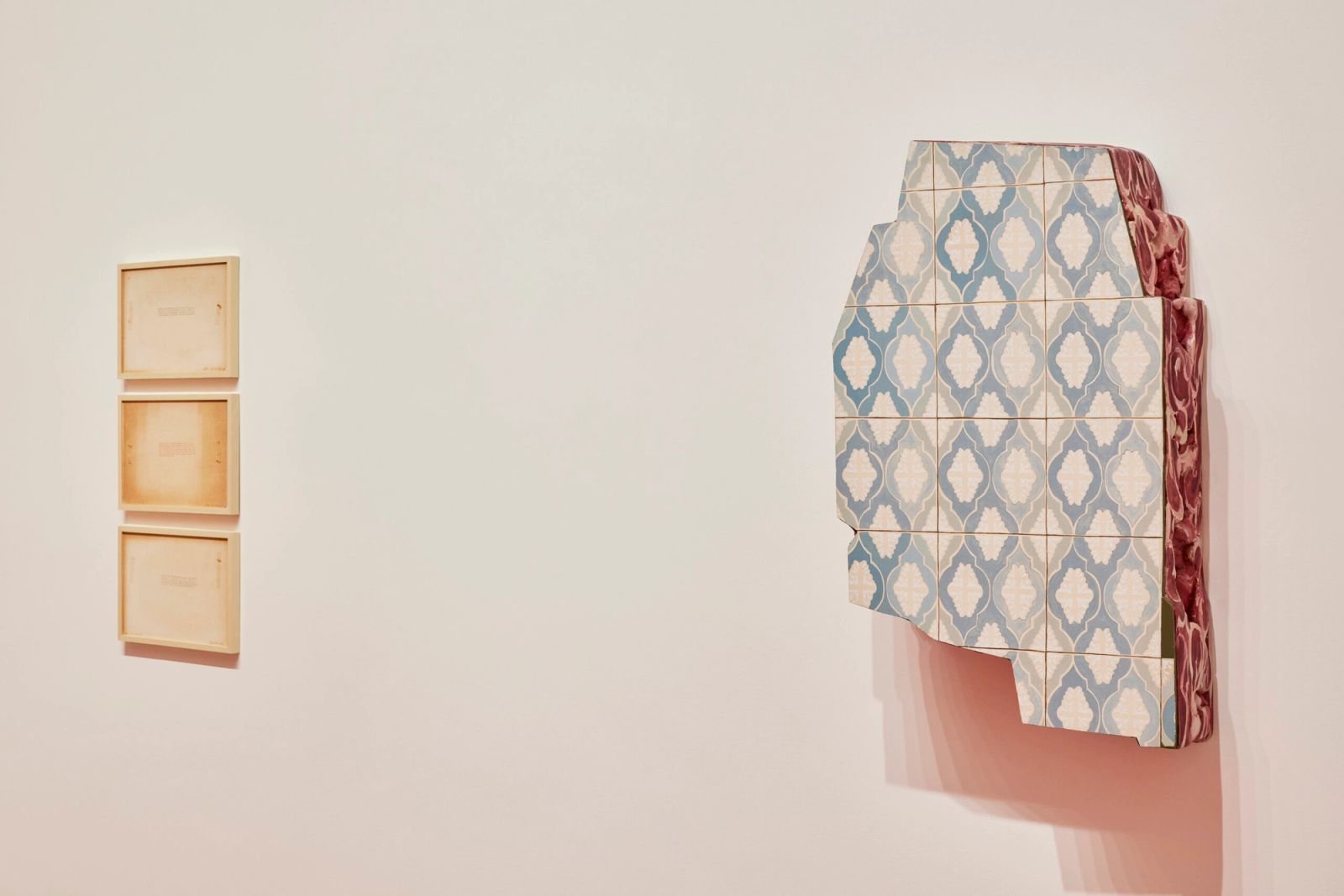
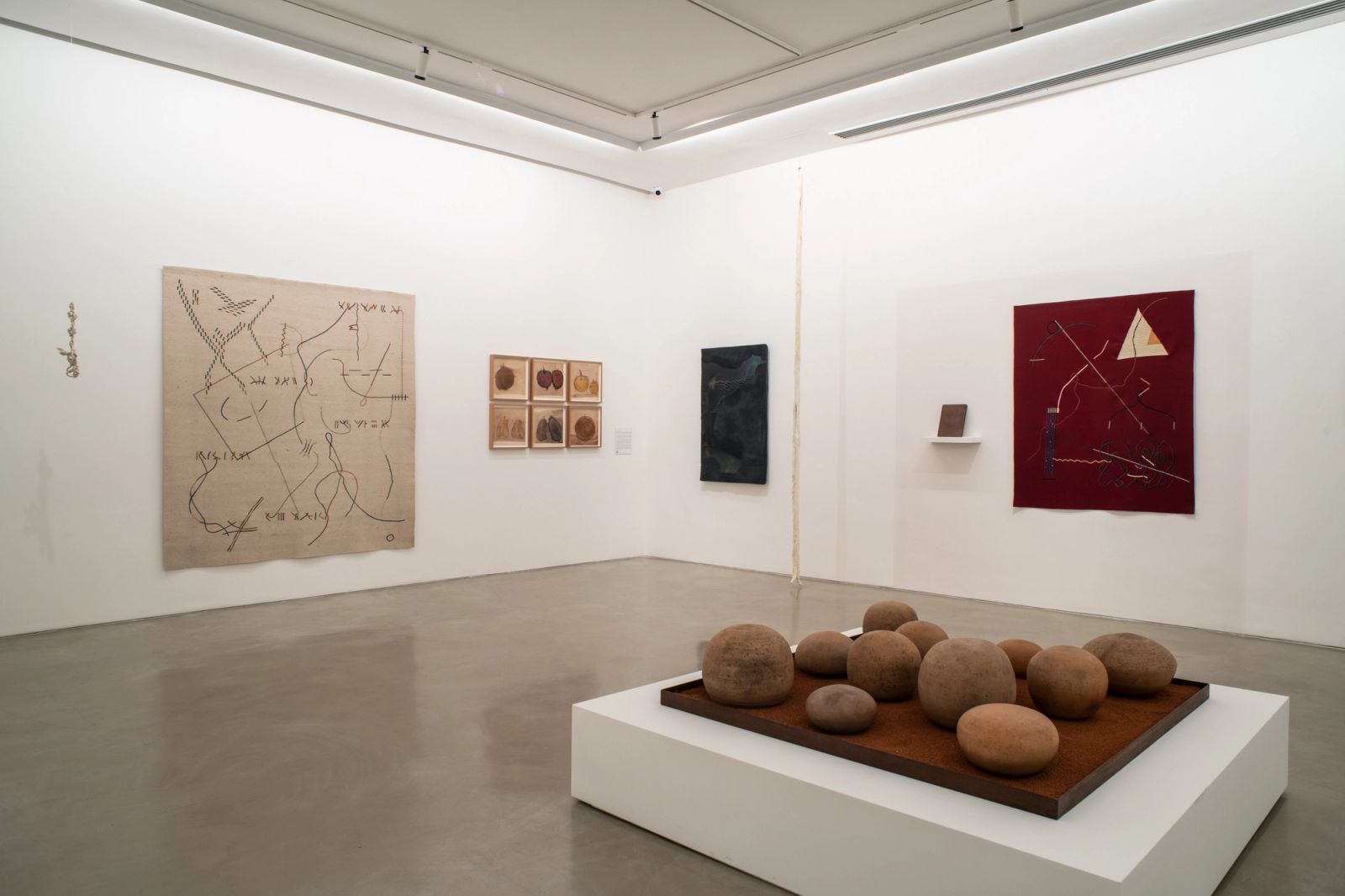
In Frequencies of Habit, we are reminded that within the repetition of the most mundane gestures—brushing teeth, striking a match, slicing fruit — unexpected deviations may reside. Repetition thus emerges as a poetic device, revealing the everyday as a space for invention and subversion.
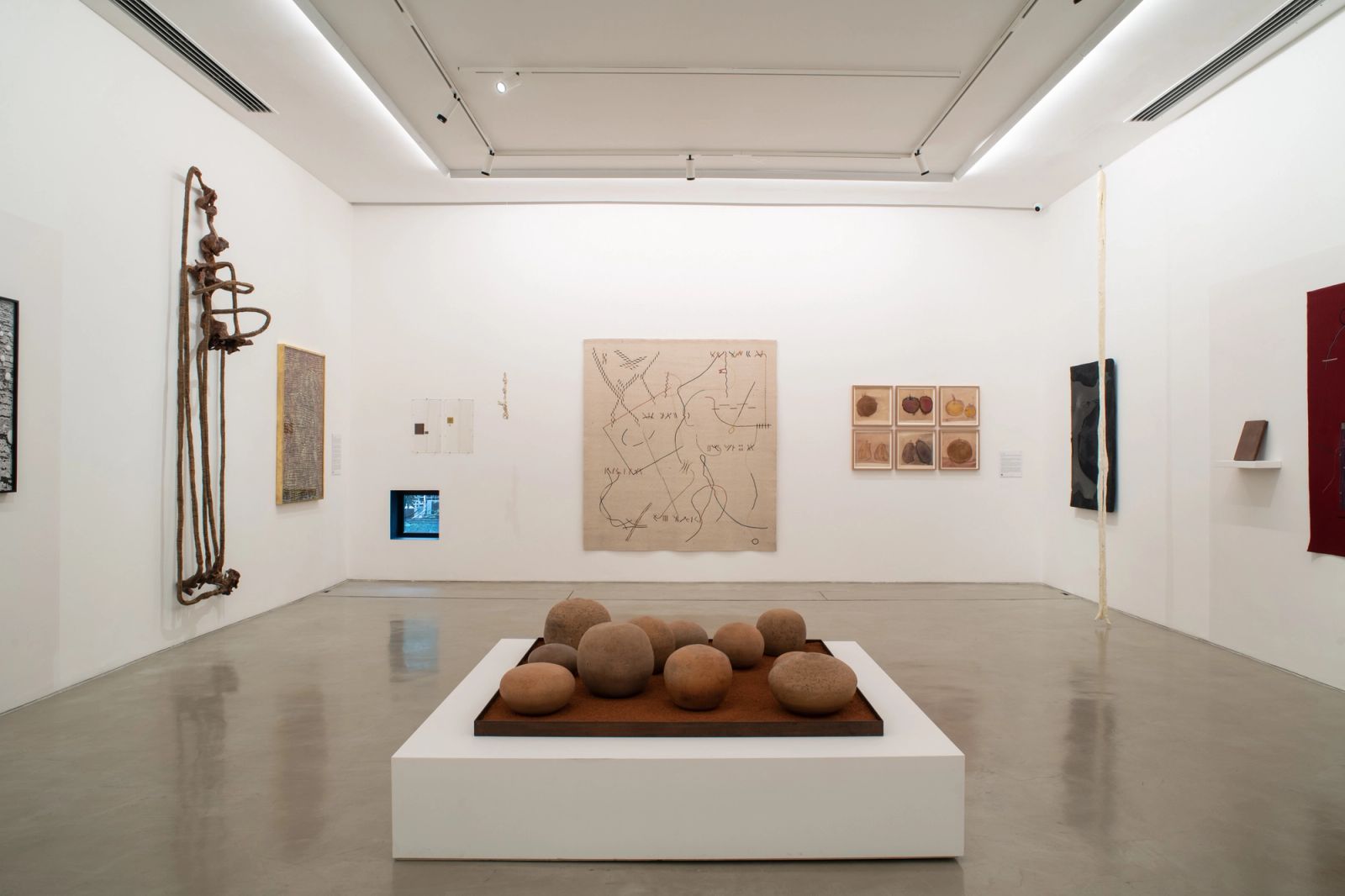
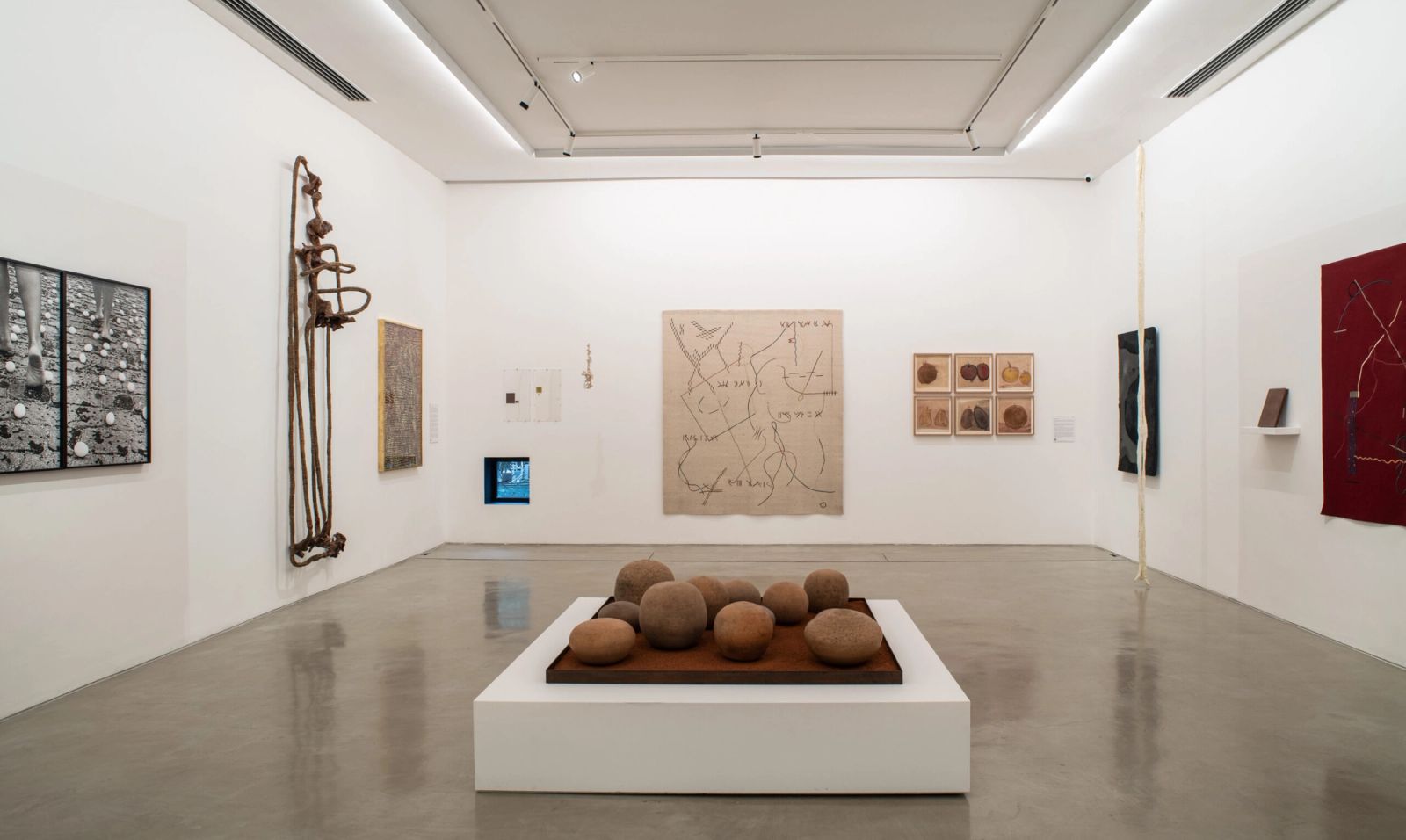
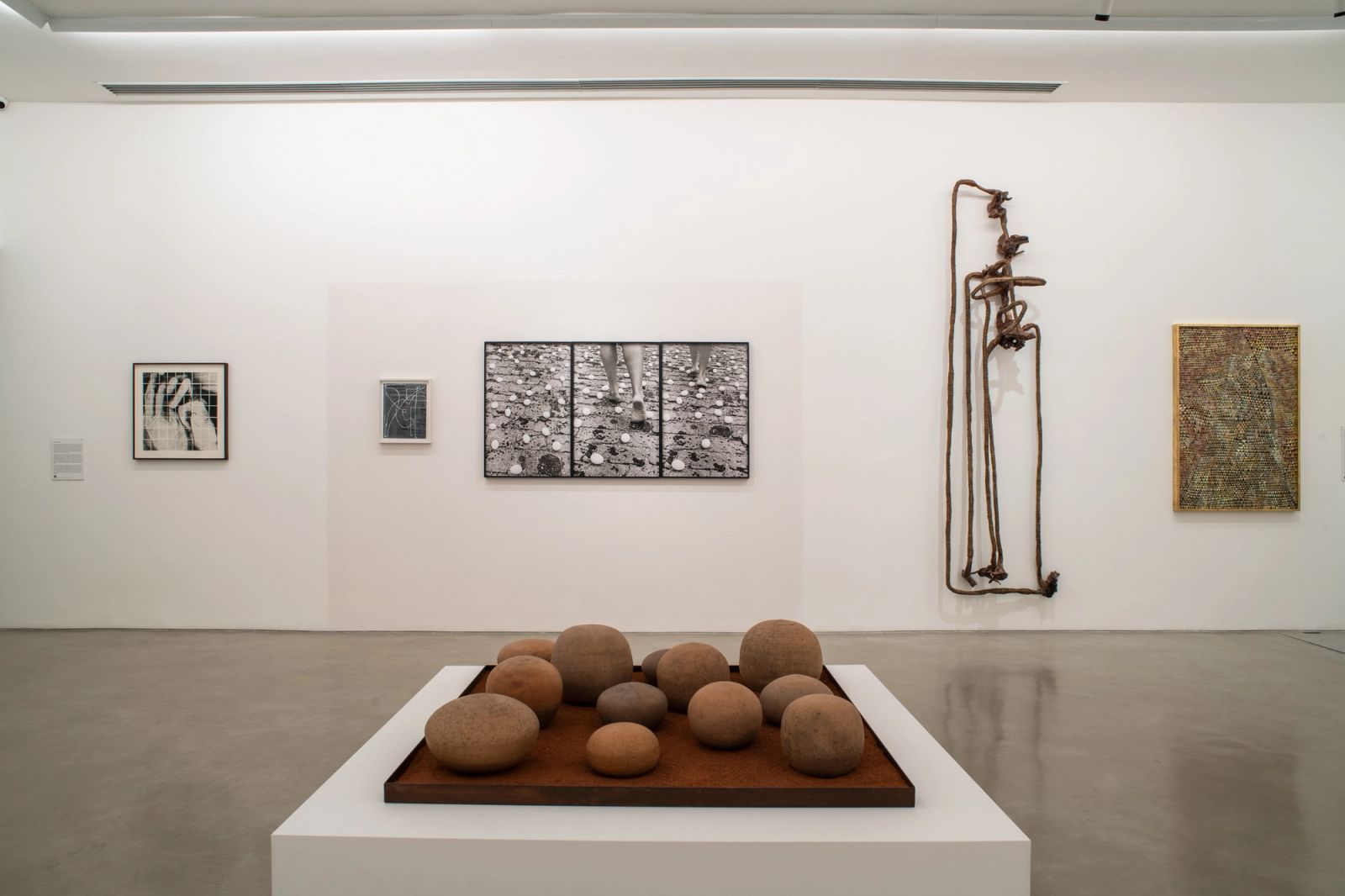
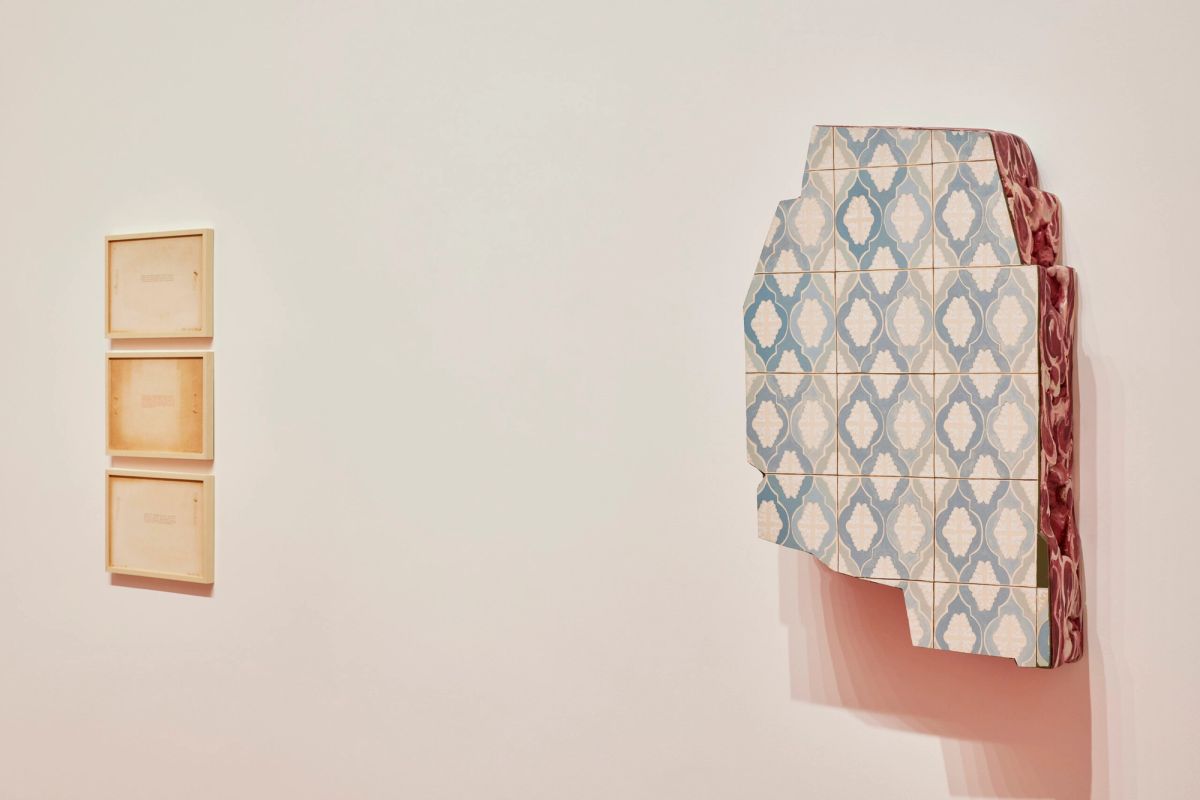
In The Skin of Time, time reveals itself through its density — less as a homogeneous, clocked measurement and more as a sensitive material. What if stone were a metaphor for the clock? How would we measure the hours? Such a question seems to suggest the existence of time zones unique to each material, disobedient to catalogued chronologies.
Luisa Duarte – Curator
Daniela Avellar – Assistant Curator
Lucas Alberto – Assistant Curator
Works
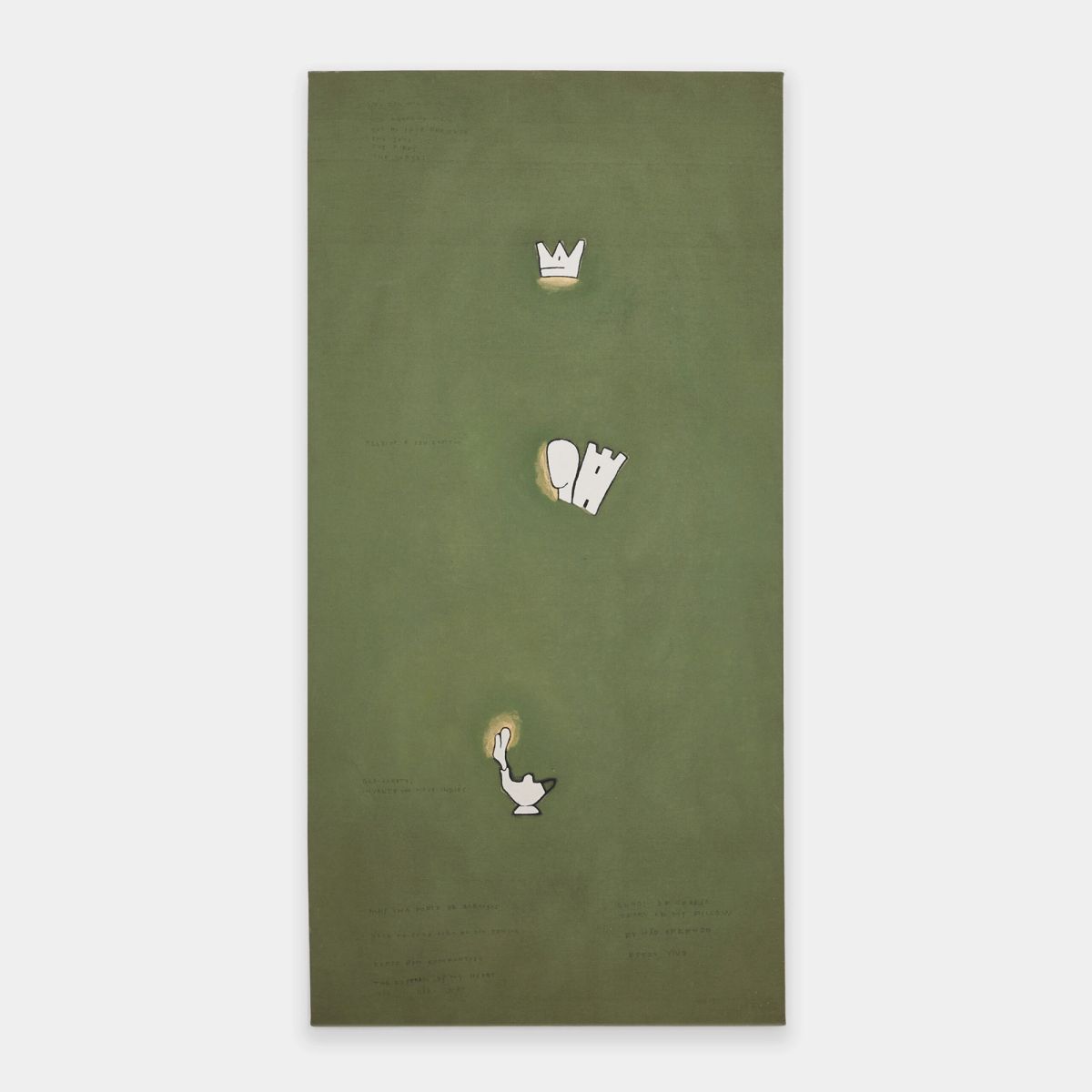
Aladim e seu capitão, anos 1990
acrylic and metallic paint on canvas
59 1/2 x 29 1/2 in
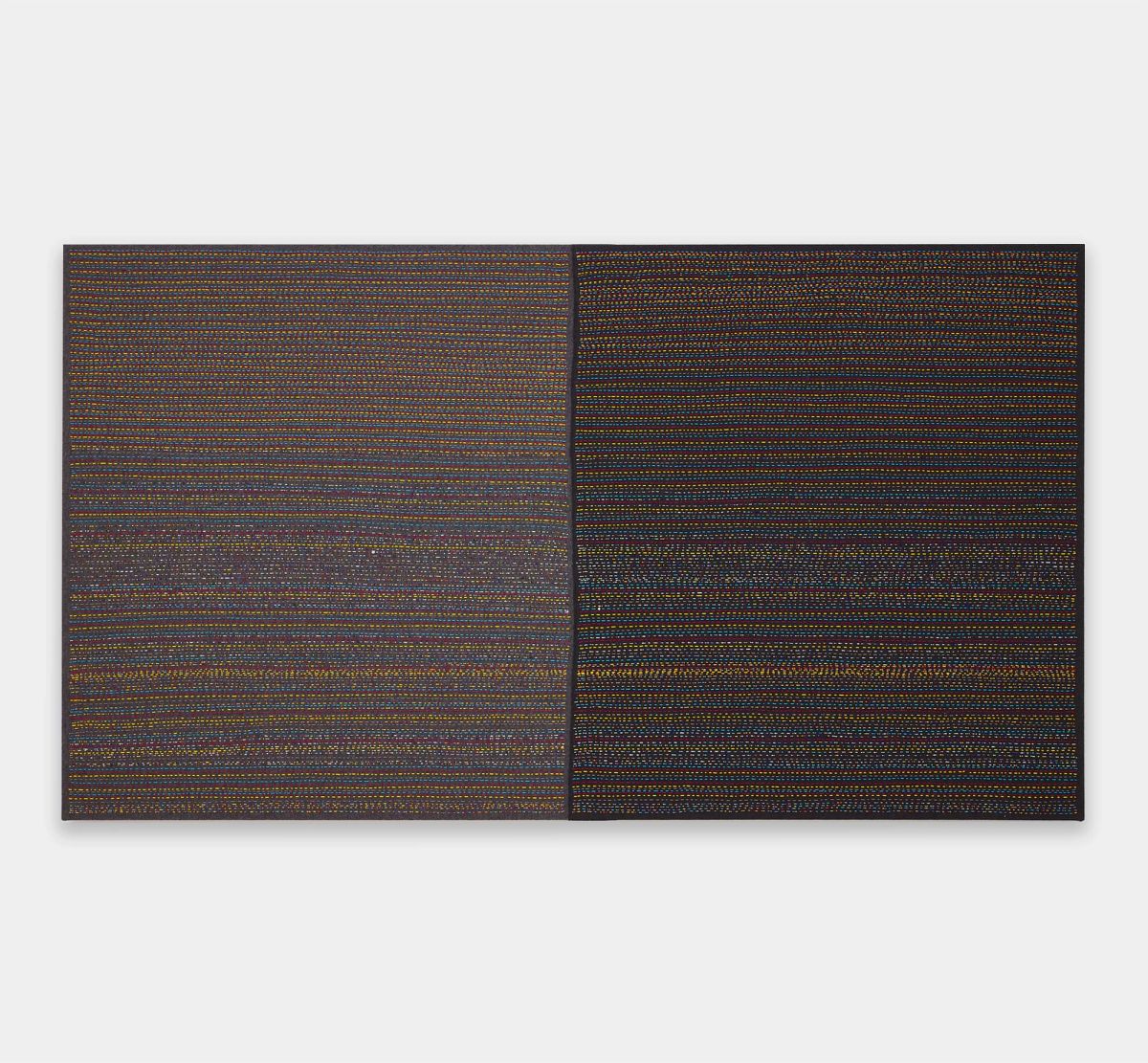
Luisa Brandelli
Perfect Lovers, 2025
miçangas e linha de costura sobre lã
150 x 250 cm
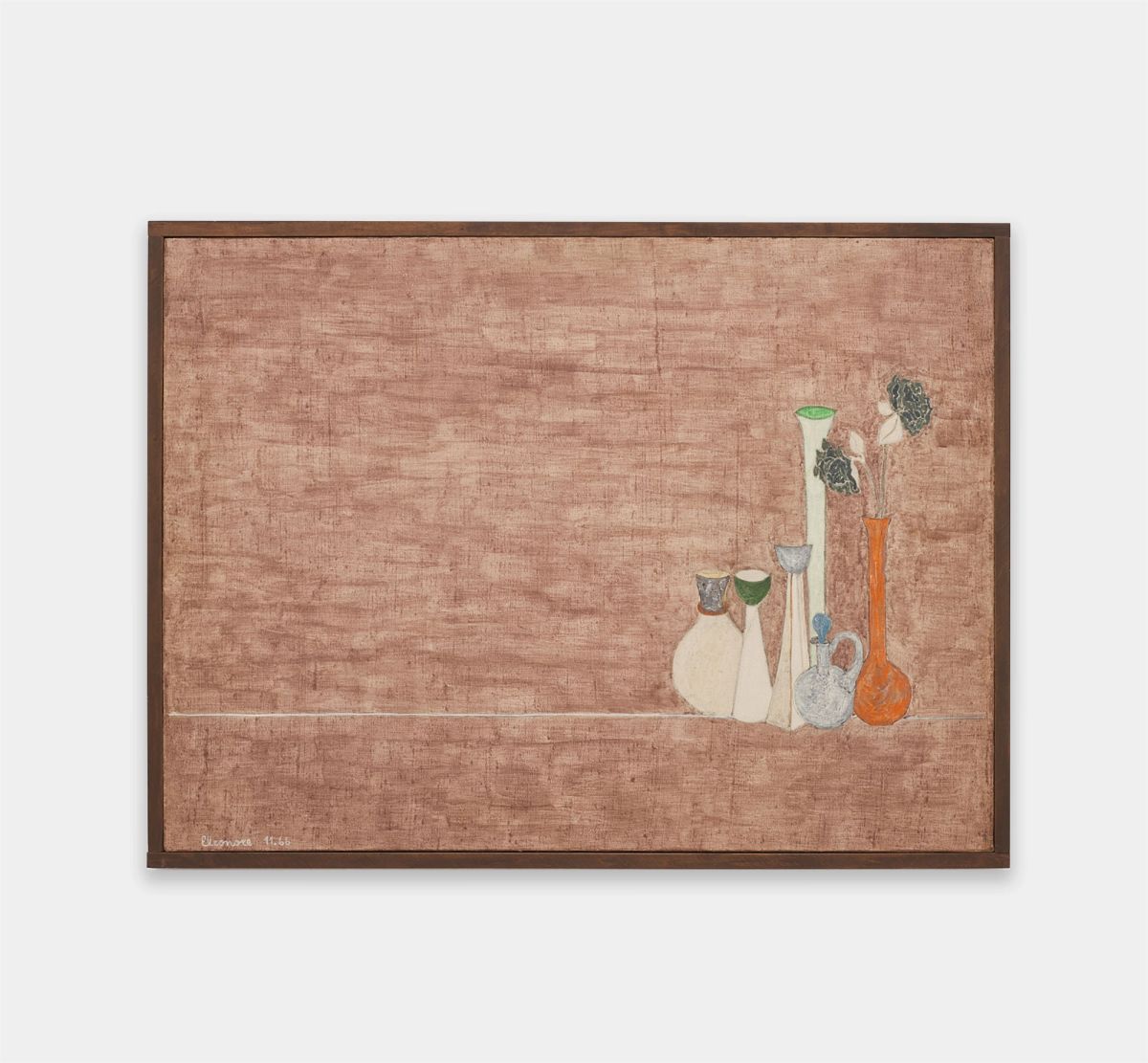
Eleonore Koch
Sem título, 1966
tempera on canvas
62 x 84,5 x 3 cm
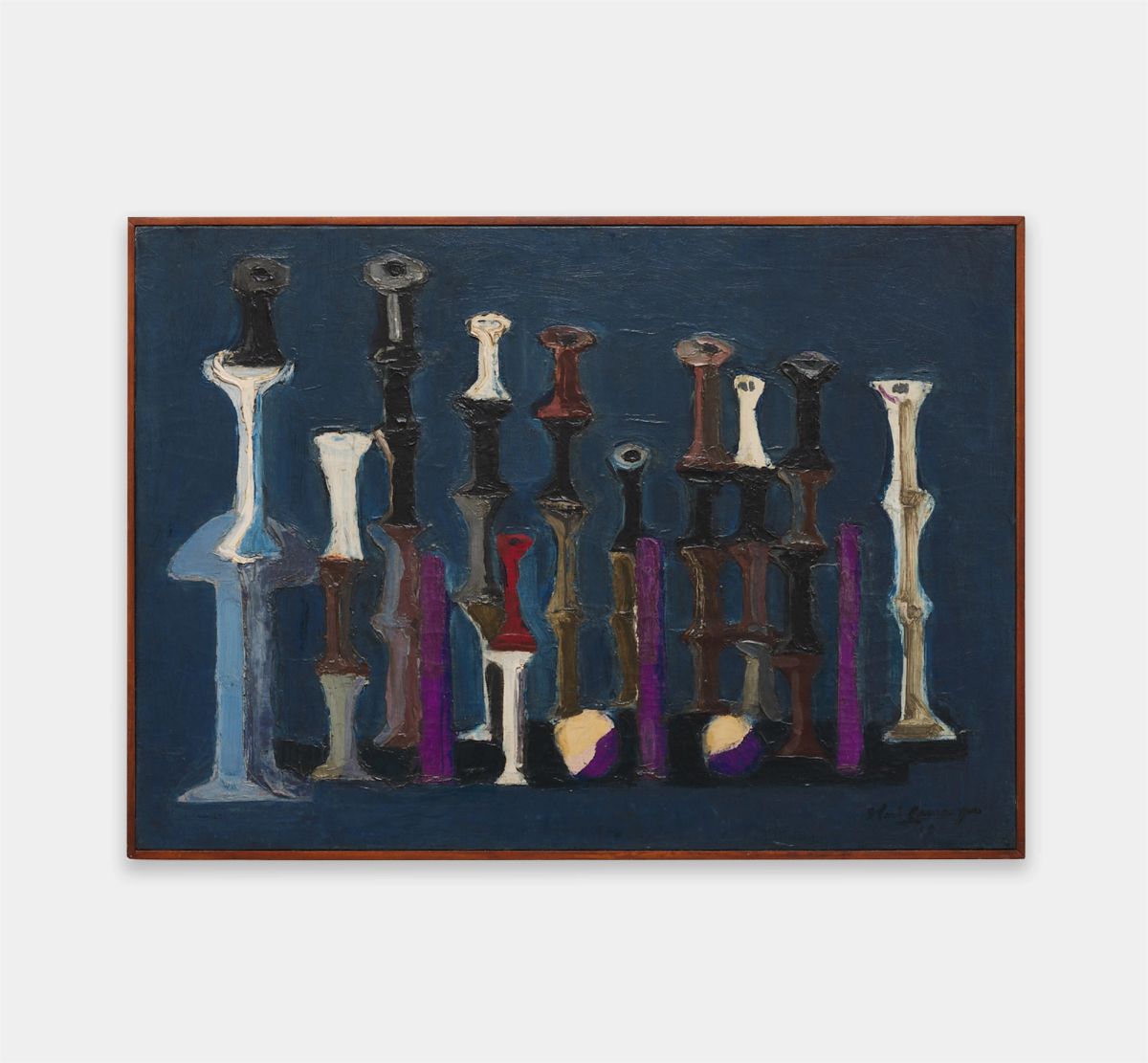
Iberê Camargo
Carretéis, 1958
oil on canvas
65 x 92 cm
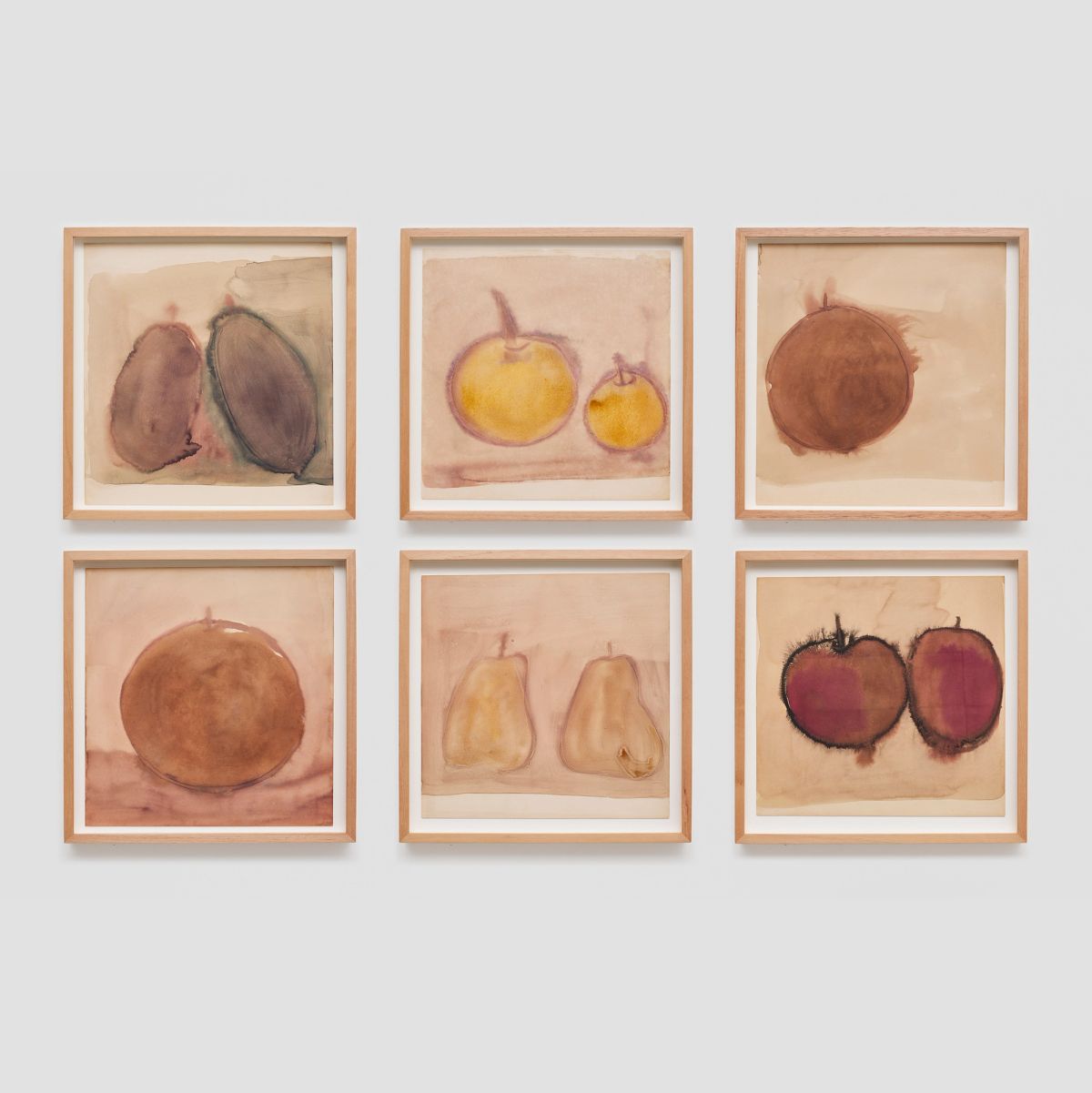
Untitled, 1964
tempera and India ink on paper
approx. 16 7/8 x 12 5/8 in (each)
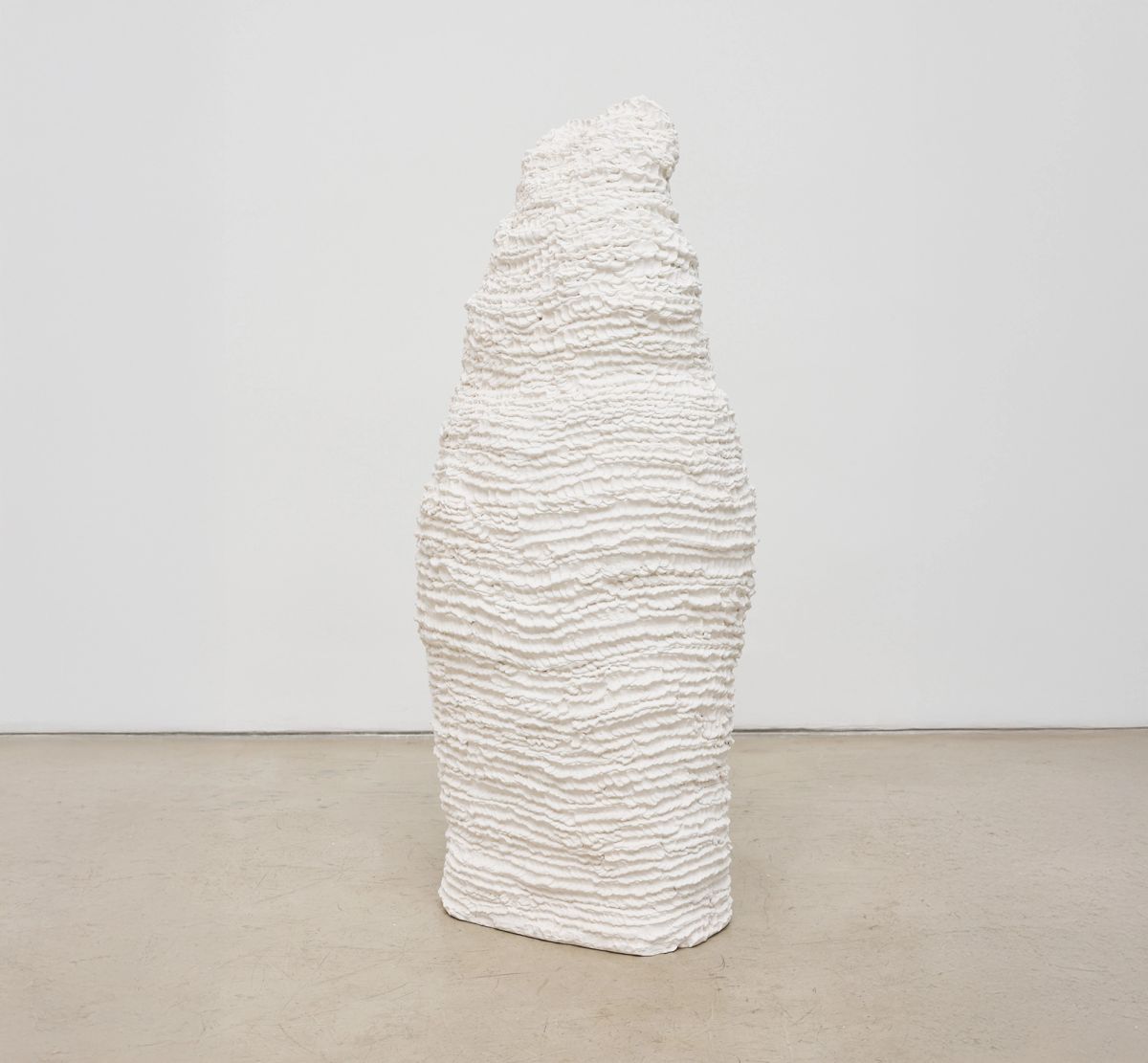
Lidia Lisbôa
Untitled, from the series Cupinzeiros, 2022
porcelana
87 x 35 x 24 cm
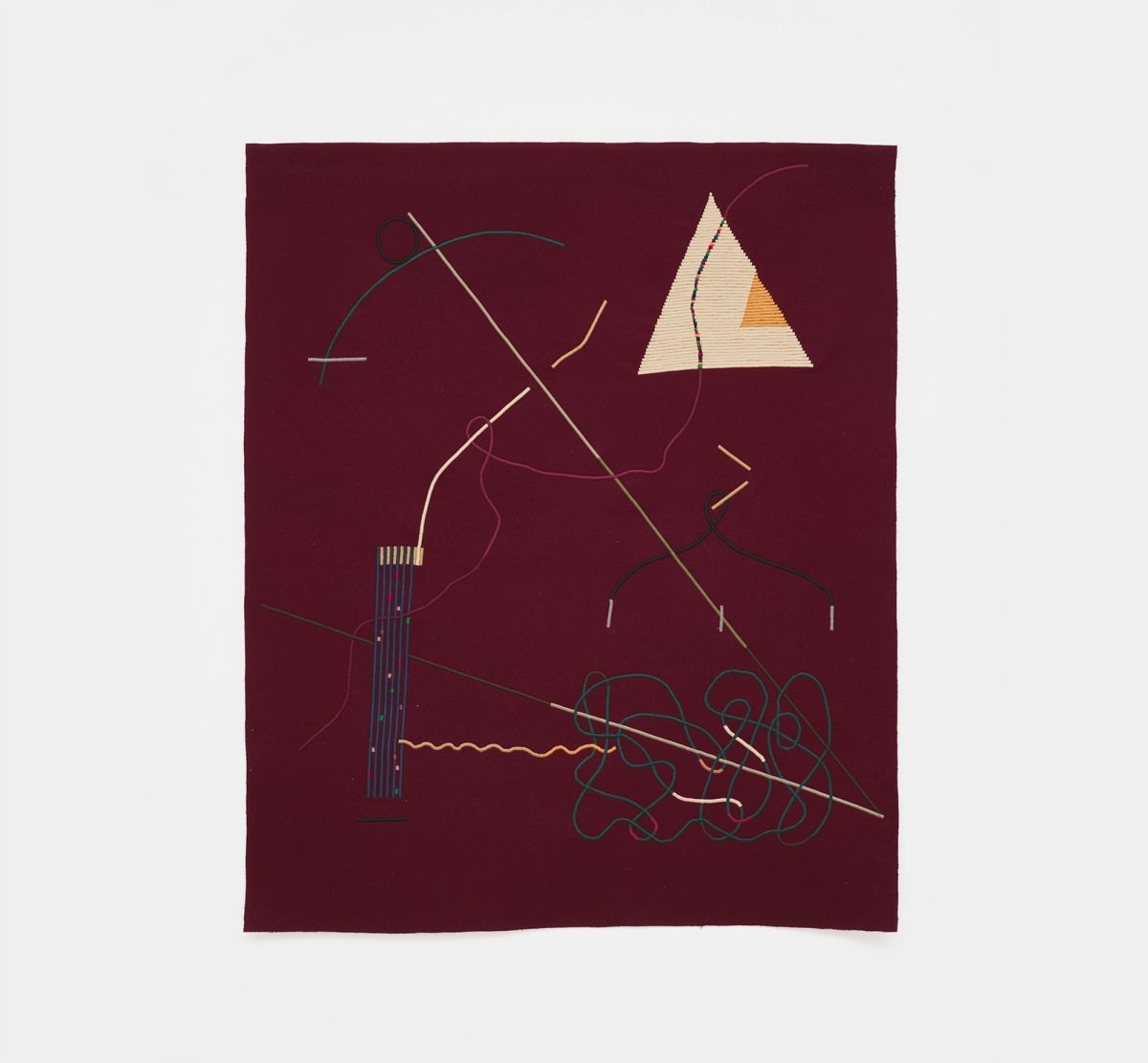
Guga Szabzon
Torça, 2024
costura sobre tecido
138 x 115 cm
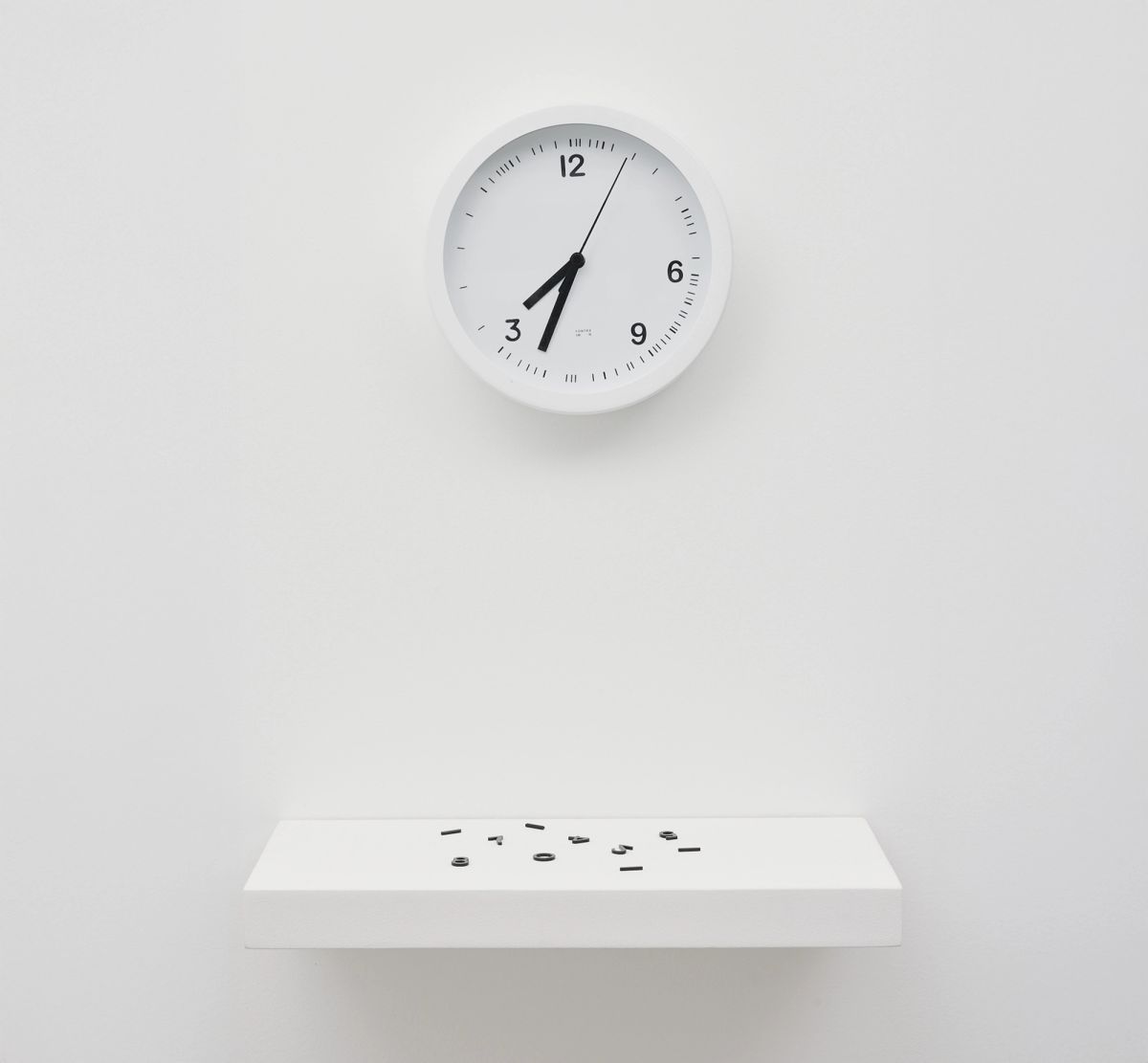
Fontes Fontes, 2016
caixa de madeira, relógio de alumínio e plástico,
números cortados de pvc
20,5 x 20 x 4,3 cm
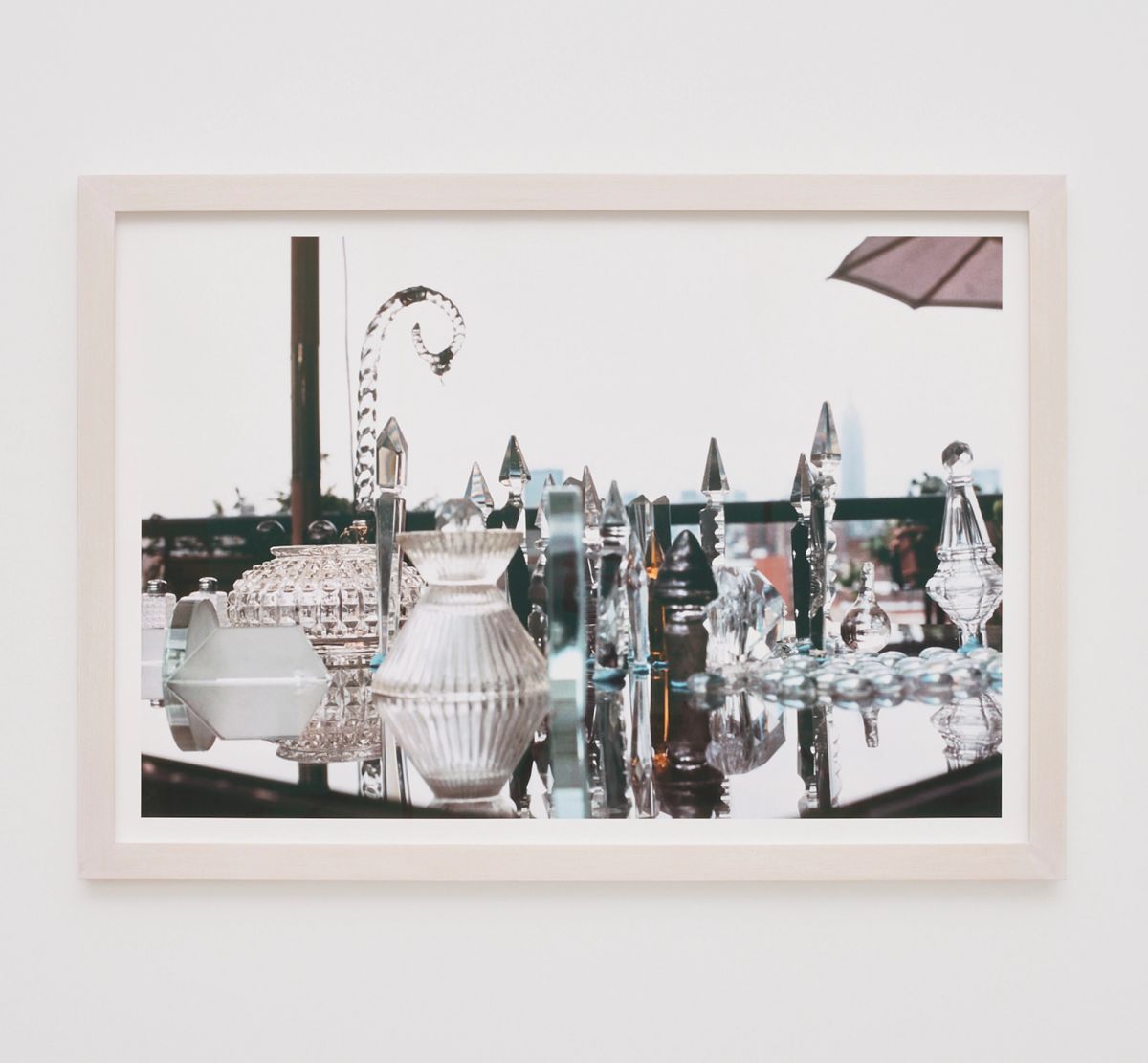
Carlos Garaicoa
La ciudad vista desde la mesa de casa, 2001
impressão em papel de algodão
86 x 54,5 cm
Ed.: 3 + 2 A.P.
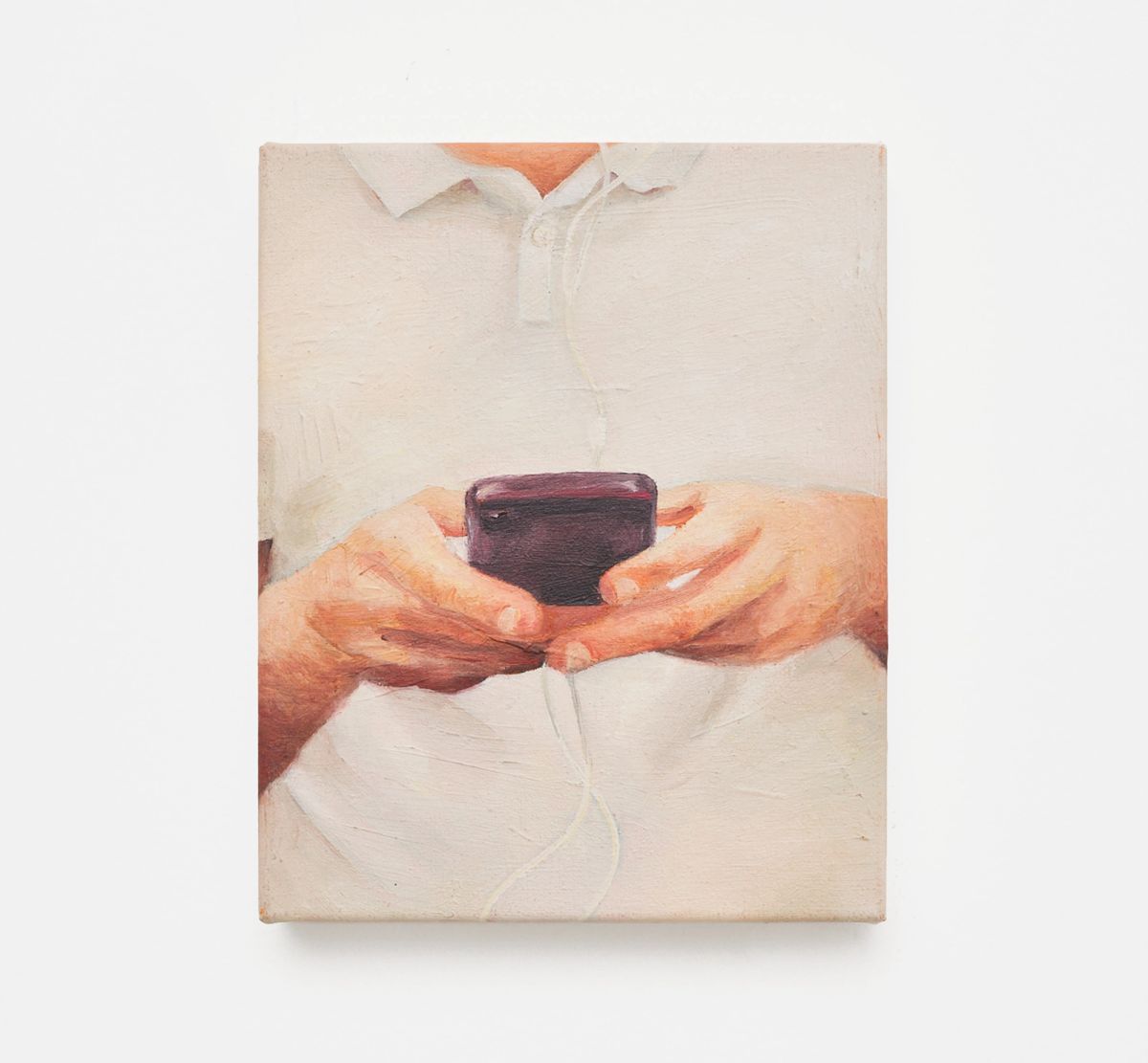
Daniel Frickmann
Mensagem 4, 2025
oil on canvas
15 x 12 cm
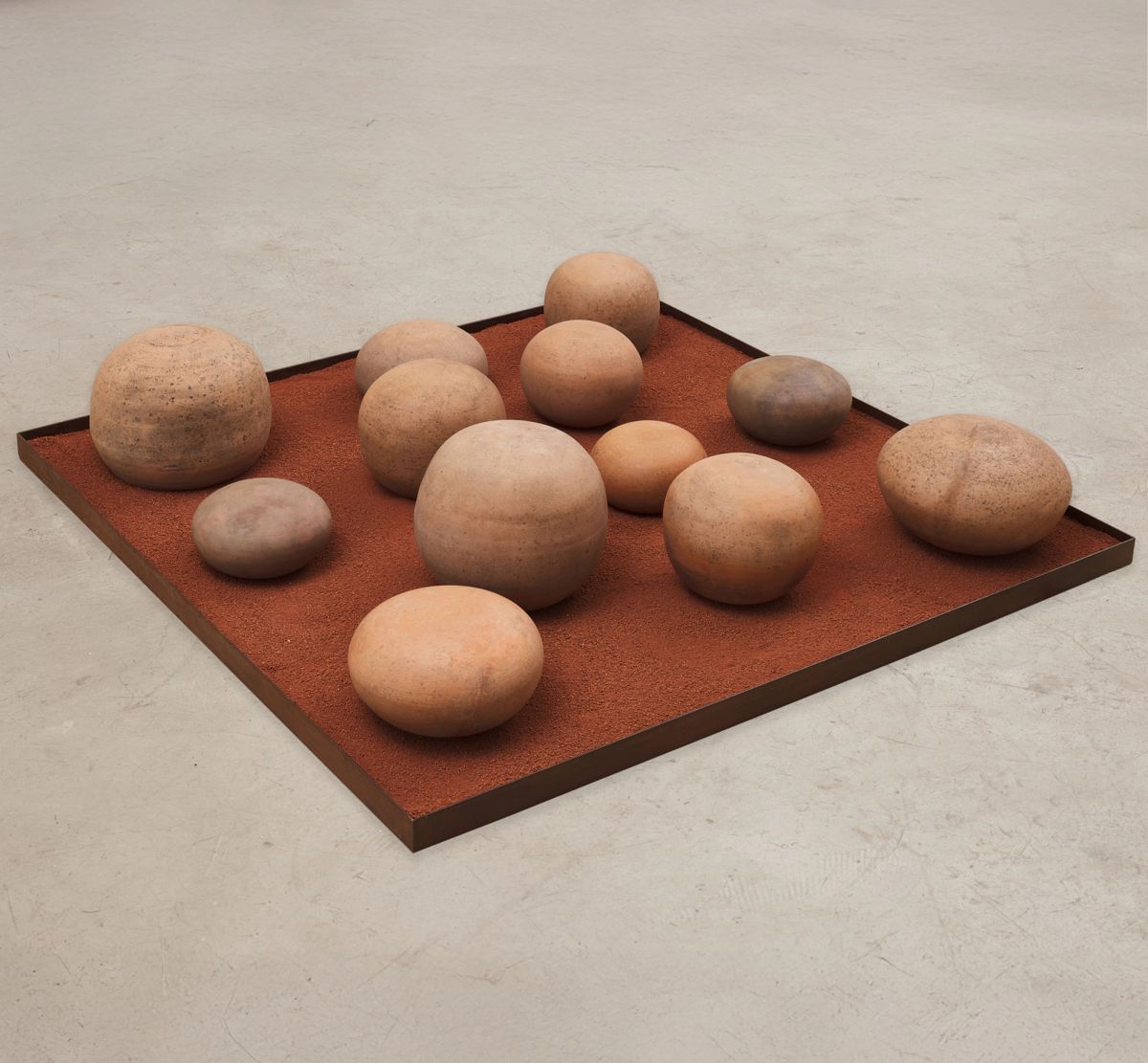
Celeida Tostes
Untitled, 1970s
cerâmica e ferro
51 1/8 x 51 1/8 in
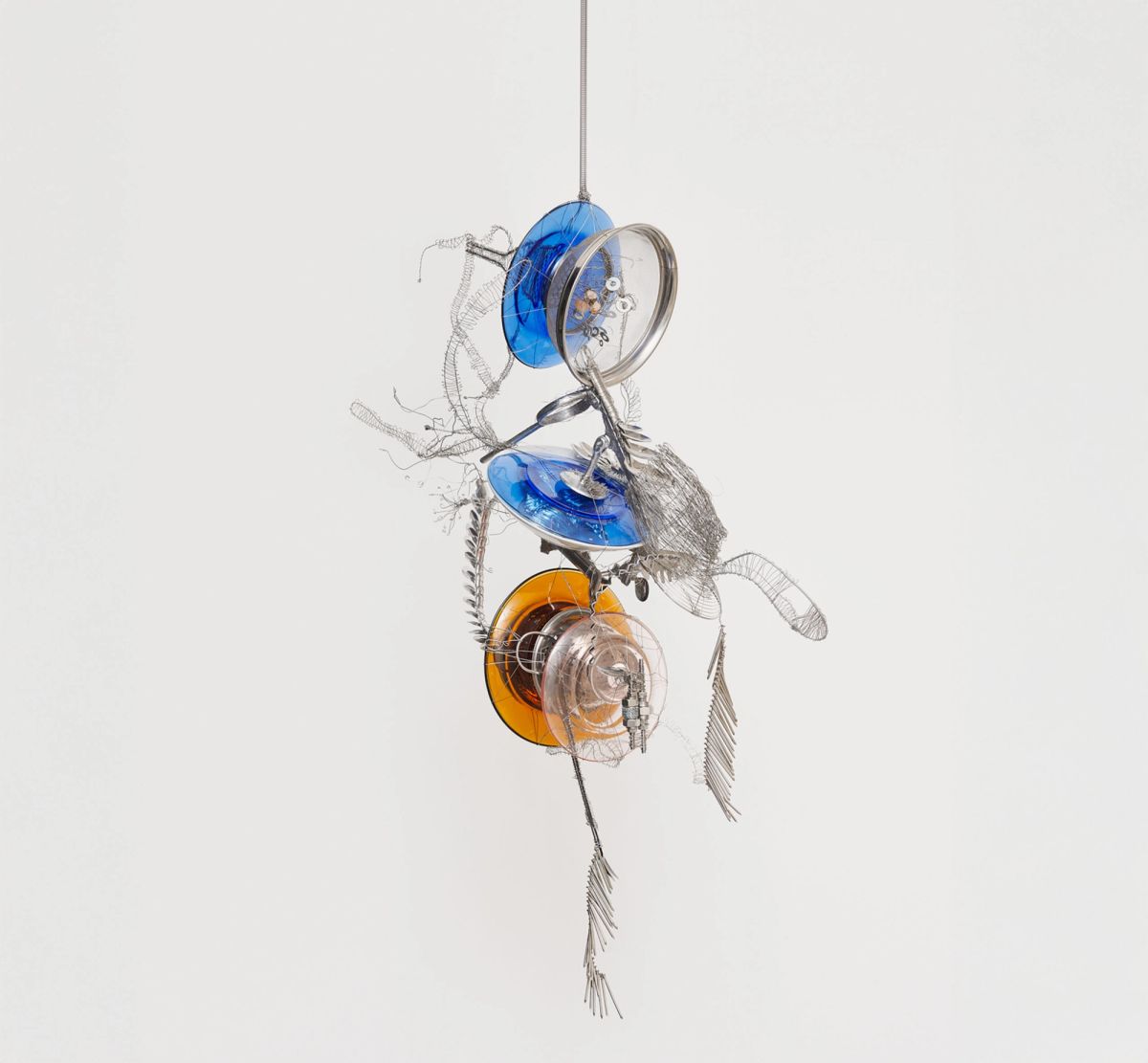
Laura Lima
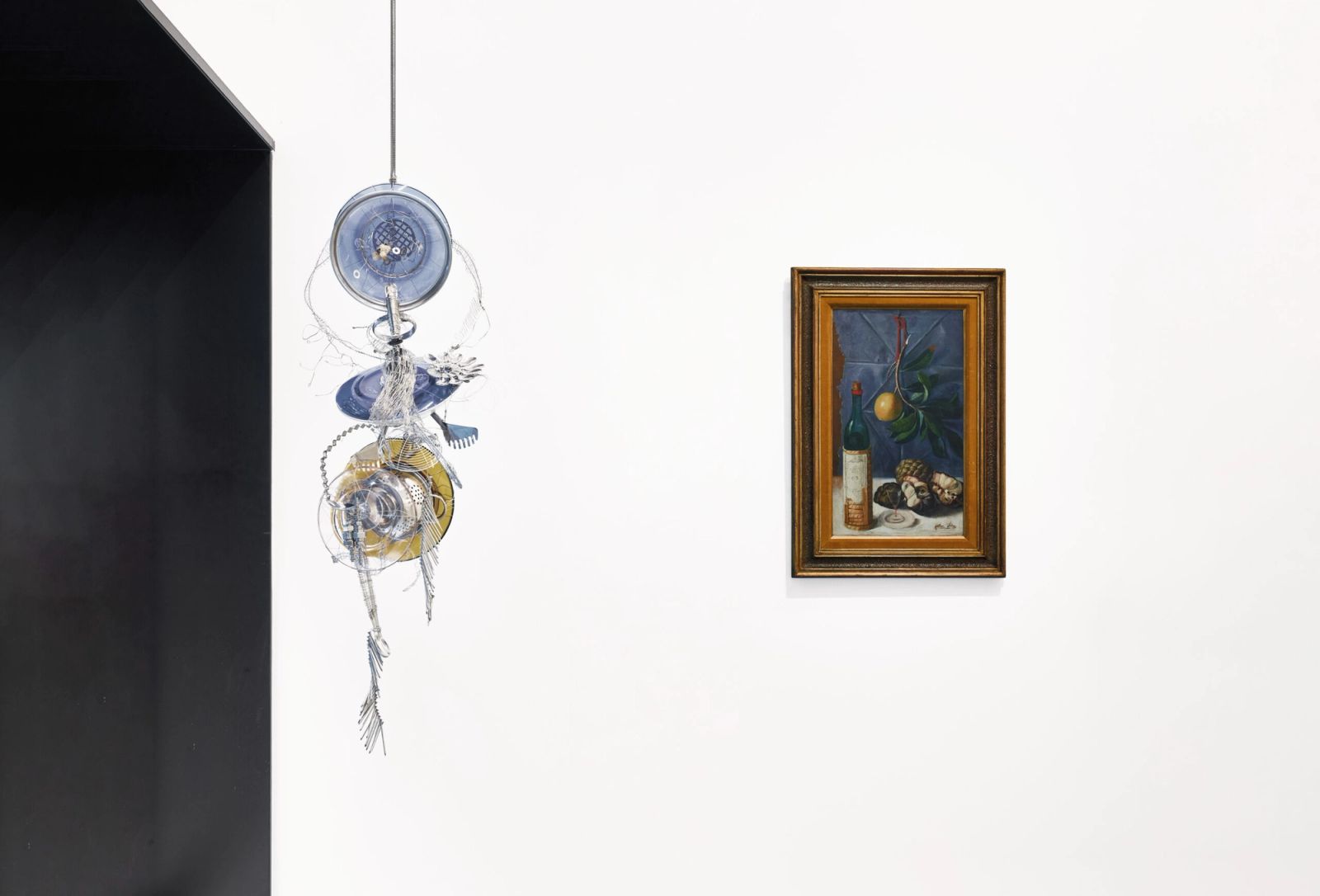
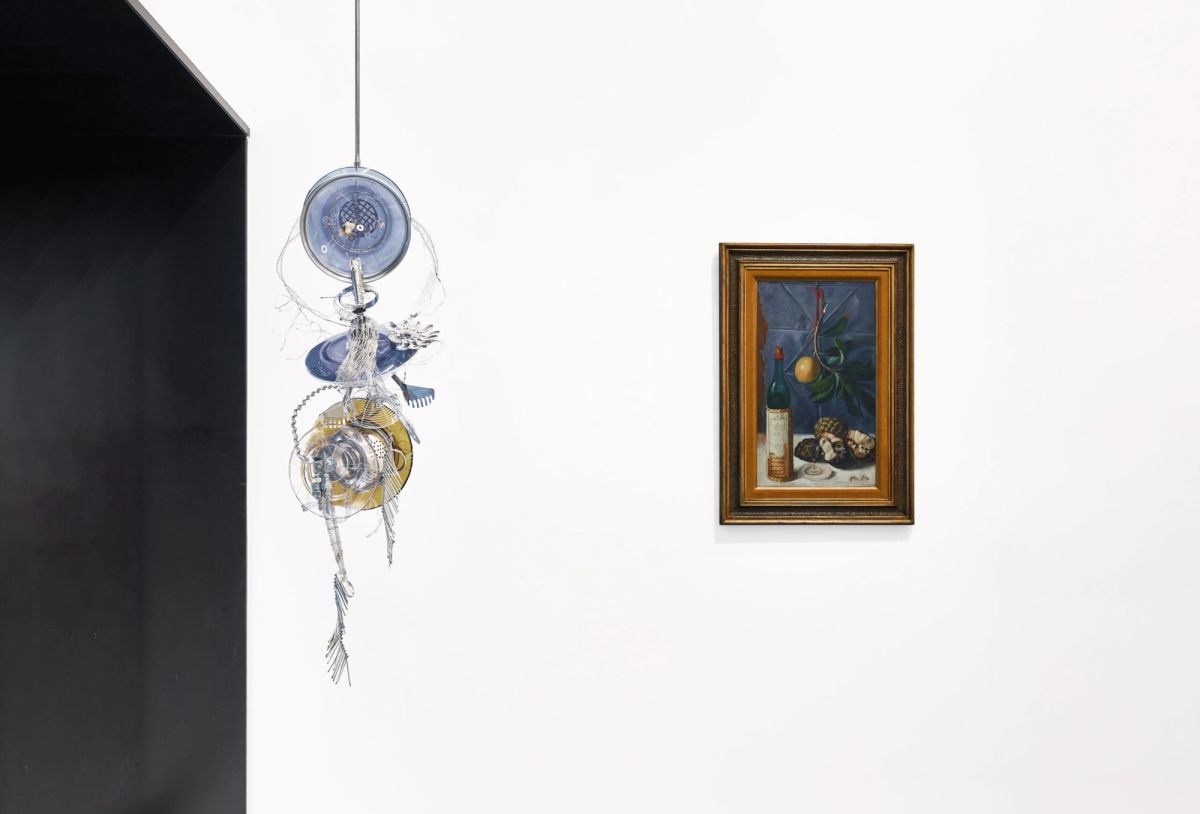
Disco Voador #33, 2025
vidro, vidro temperado, louça, aço galvanizado, aço inox,
alumínio e pedra
110 x 80 x 50 cm
Installation views